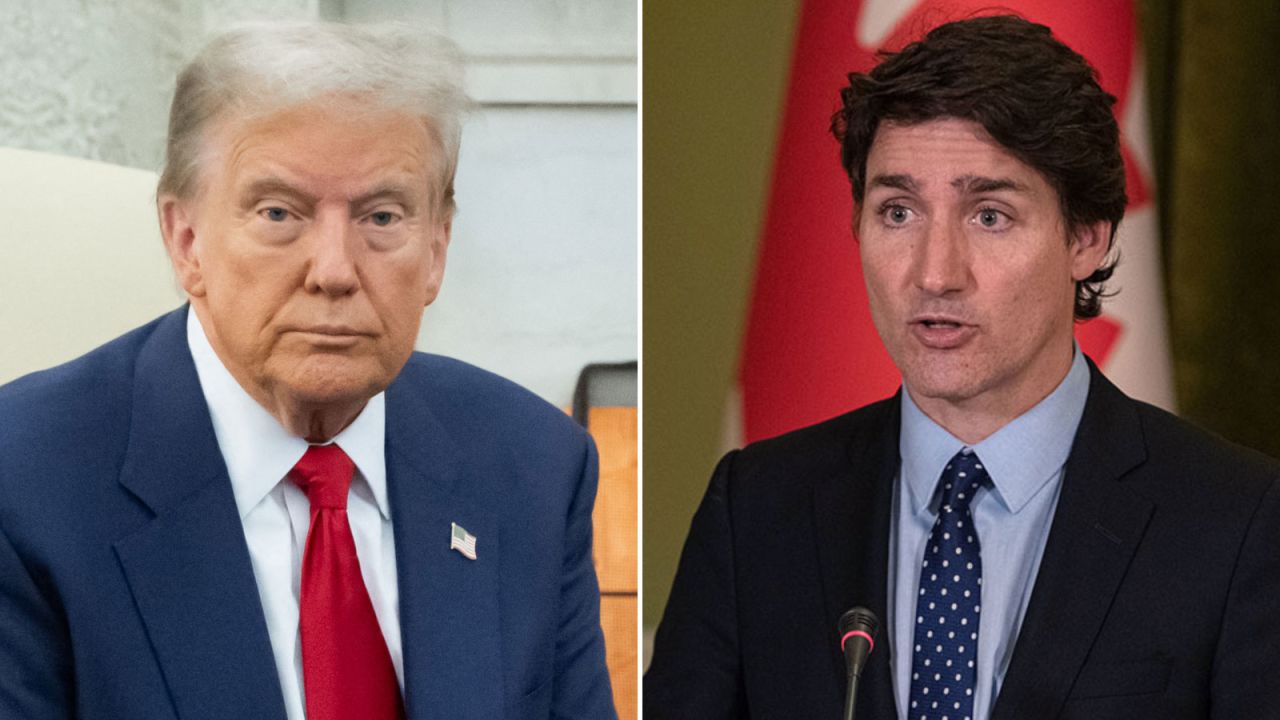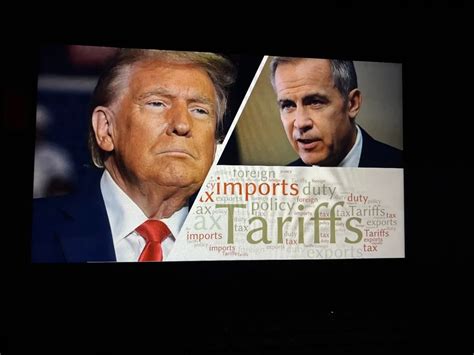
On September 8, Canada imposed retaliatory tariffs on $20 billion worth of U.S. goods, applying duties ranging from 15% to 50% on steel, dairy products, household appliances, agricultural equipment, paper, and electronics. The move directly responds to the United States’ imposition of 50% tariffs on Canadian exports.
Negotiations between the two nations collapsed at the end of August, with Canadian Prime Minister Mark Carney stating U.S. demands were unacceptable due to their impact on Canada’s trade agreements with other countries and Quebec’s French language protections. Carney has signaled Ottawa is prepared for a long-term trade agreement once the United States is ready, though American Trade Representative Jamison Greer warned it is now Canada’s turn to respond with further measures.
President Trump has threatened to ban the sale of Canadian Bombardier aircraft to U.S. airlines. Thousands of Bombardier planes currently operate on domestic routes for American carriers, and the aerospace company emphasizes its U.S. operations have generated tens of thousands of jobs across 20 states, including Kansas, Texas, Arizona, and California.
A Reuters/Ipsos poll shows only 20% of Americans approve of Trump’s duties on Canadian goods. Meanwhile, a majority of Canadians support their country’s retaliatory actions. Canada’s economy has shown resilience with a 3.3% GDP growth in the second quarter and 181,000 new jobs created between April and July, though it lost approximately 41,000 jobs in August. The share of Canadian exports sent to the United States dropped from an average of 75% to 66%.
Trump also signed an executive order renaming Lake Ontario as “Lake America,” a move Canadian officials have criticized. U.S. Treasury Secretary Scott Bessent and Pentagon Chief Pete Hegseth have made harsh remarks about Canada’s stance. To mitigate trade war impacts, the Canadian government allocated $5.42 billion for business and worker support programs. Experts warn consumers may face rising prices for goods like clothing and food by next summer despite limited immediate effects.
The escalating conflict occurs just two months before U.S. midterm elections, raising concerns about how Republicans in competitive districts will address Trump’s tariffs.