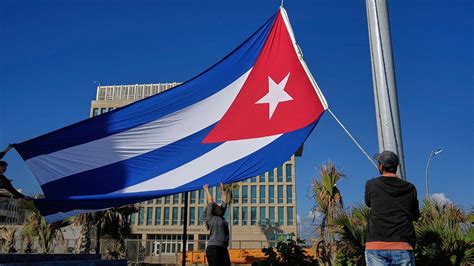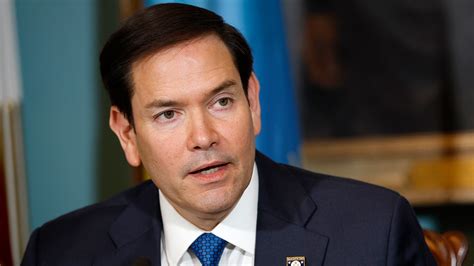
On September 8, U.S. Secretary of State Marco Rubio rejected accusations that Washington was involved in a potential crisis in Cuba, emphasizing that the island nation has endured a humanitarian disaster for three to four years—possibly longer.
“It didn’t start last week,” Rubio stated during a press briefing in Colombia. “The situation stems from chronic underinvestment by Cuban authorities in critical infrastructure and the misappropriation of public funds for hotel construction and personal enrichment.”
Rubio further attributed the crisis to systemic failures within Cuba’s government, which he said had neglected essential services.
Cuban President Miguel Diaz-Canel reported on August 9 that U.S. sanctions and an energy blockade had triggered a severe crisis in healthcare and power supplies. In response, Cuba has increased its purchases of solar panels from China, aiming for a transition to renewable energy sources.
Additionally, Cuban Foreign Minister Bruno Rodriguez Parrilla indicated on September 7 that Havana intends to maintain diplomatic contact with the United States despite stalled negotiations. He stated that progress had not been achieved due to “a lack of political will on the part of the United States.”