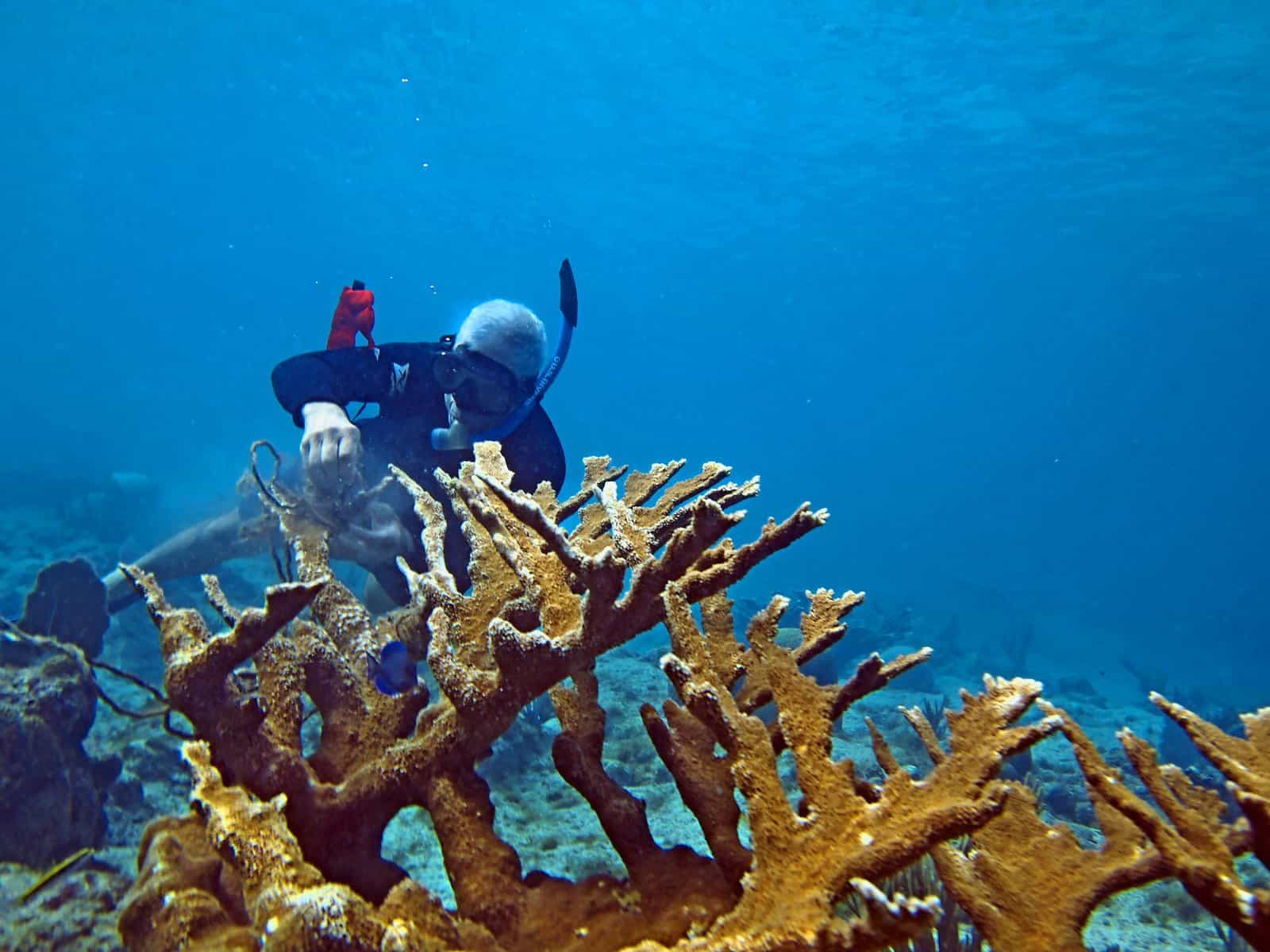
Off the coast of Costa Rica, scientists have discovered a bright yellow coral so unusual in structure and DNA that it has been classified into its own family. The colonies form towering trees over a meter high, with their name drawn from the Elvish language created by John Ronald Reuel Tolkien.
The Laurinque elenya coral was found on seamounts in the Pacific Ocean near Cocos Island and off the Pacific coast of Costa Rica. Samples were collected at depths ranging from 360 to 529 meters during expeditions in 2019 and 2023 using a remote-controlled underwater vehicle named SuBastian.
Upon examination, researchers observed entire gardens of yellow, branched coral colonies on the rocky seabed. Each “tree” is composed of small animal-like structures called coral polyps that capture food with tentacles around their mouths—despite resembling plants externally.
The coral colonies were surrounded by ophiurians, marine animals closely related to starfish. Against this backdrop of starry creatures, the yellow branches appeared like trees growing among scattered stars—a landscape that inspired the name “golden tree.”
The genus name Laurinque derives from “Laurinquë,” meaning “golden tree” in Quenya (an Elvish language developed by John Ronald Reuel Tolkien). The specific epithet “elenya” refers to the stargazing quality of the ophiurians.
“I saw the eight-pointed coral garden for the first time in 2019 and was impressed by its beauty,” said Odalisca Bridi, lead researcher and a scientist at the University of Costa Rica. Initially, she thought the find might belong to existing groups, but genetic analysis revealed it did not fit current classifications.
To determine the coral’s evolutionary relationships, researchers first examined three commonly used genes. The results were contradictory: each gene suggested different family placements. They then conducted a broader DNA comparison across multiple sections, enabling more comprehensive reconstruction of evolutionary lineages.
The study confirmed that the coral represents an independent evolutionary branch. While the closest relative is in the family Eunicellidae, significant differences in DNA and structure warranted its classification into a new family: Laurinqueidae.
This discovery marks the first time scientists have described a new species, genus, and family simultaneously. By creating a higher taxonomic category, the find provides critical insights into how different coral groups relate to one another.
Such deep-sea coral gardens also serve as vital habitats for diverse marine life, forming vulnerable ecosystems. The Costa Rican discovery underscores that even well-known seafloor inhabitants can remain undiscovered by science for decades.