The United States and Iran have agreed to halt mutual strikes in the Persian Gulf, following four days of renewed hostilities that began after signing a memorandum of understanding on June 24.
On June 25, Iranian forces attacked a container ship, prompting U.S. airstrikes the next day. The United States conducted additional strikes on June 27 after Iran targeted a vessel carrying Qatari oil. Both sides have accused each other of violating the ceasefire terms.
Iran launched drone and missile strikes against Bahrain and Kuwait on June 28 following new U.S. airstrikes, warning of a “complete cessation” of negotiations if Washington continued its attacks.
Israeli military operations resumed in southern Lebanon against Hezbollah after the implementation of a U.S.-brokered security agreement that included a phased withdrawal of Israeli troops from certain areas. Prime Minister Benjamin Netanyahu and Defense Minister Yisrael Katz reported that an underground tunnel used by Hezbollah was targeted near Majdal Zun on June 29, with the group’s leader Naim Qassem condemning the agreement as a “capitulation” to Israel.
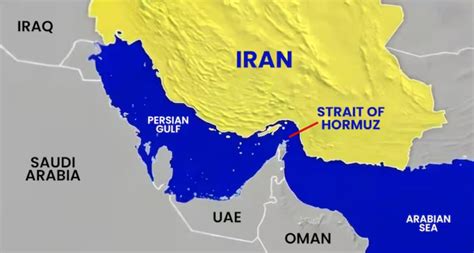
Iranian Foreign Minister Abbas Araghchi emphasized Tehran’s need to control the Strait of Hormuz, which has historically transported a fifth of global oil and gas reserves. He warned that alternative agreements would delay reopening the strait and increase tensions.
The parties will resume technical negotiations on June 30 under Pakistani mediation, though conflicting interpretations of their June agreement have raised concerns about its stability.