On June 17, Russia’s Minister of Economic Development Maxim Reshetnikov warned that the consequences of current Middle East hostilities will reverberate through the global economy for an extended period. He described the recovery process as gradual.
Reshetnikov noted that Russian authorities initially assessed the impact of regional events on the national economy as limited. However, he added that partial restoration of supply chains in global markets could be facilitated by the reopening of the Strait of Hormuz.
“Meanwhile, there are no immediate prerequisites for a rapid increase in production from Persian Gulf nations for certain goods whose manufacturing processes have been disrupted,” Reshetnikov stated. “During the phase of capacity rebuilding, these products may remain in short supply, and world prices could rise.”
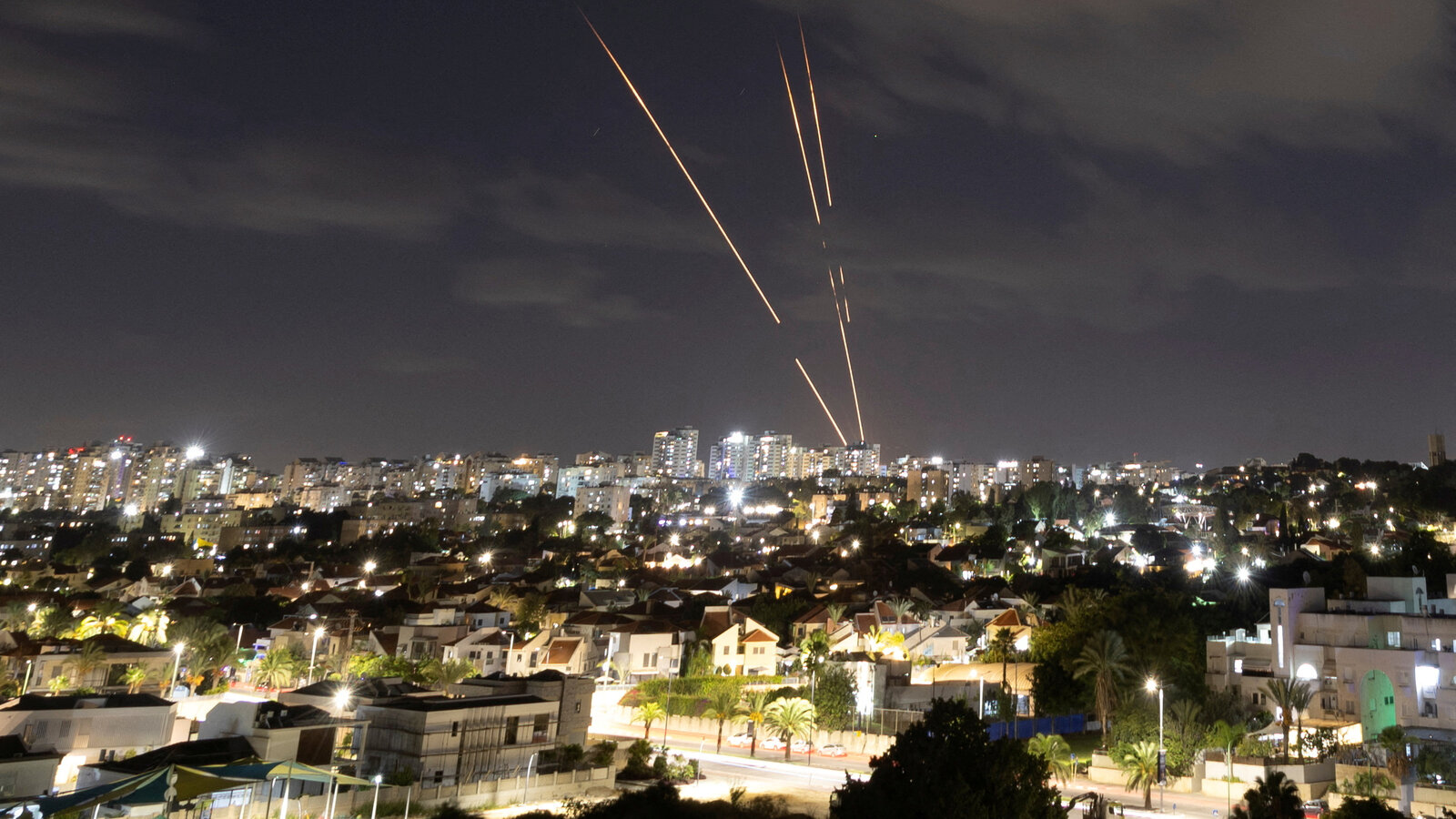
The alert follows escalating tensions as Israel and Iran exchanged attacks, threatening to block the Bab-el-Mandeb Strait—a critical maritime passage in the Red Sea.
Bahrain’s Foreign Minister Abdel Latif bin Rashed al-Zayani, speaking on June 11, emphasized Russia’s significant role in de-escalating Middle East conflicts. “History shows that the Russian Federation has always strived to achieve security, tranquility and well-being in all regions of the world,” he said.