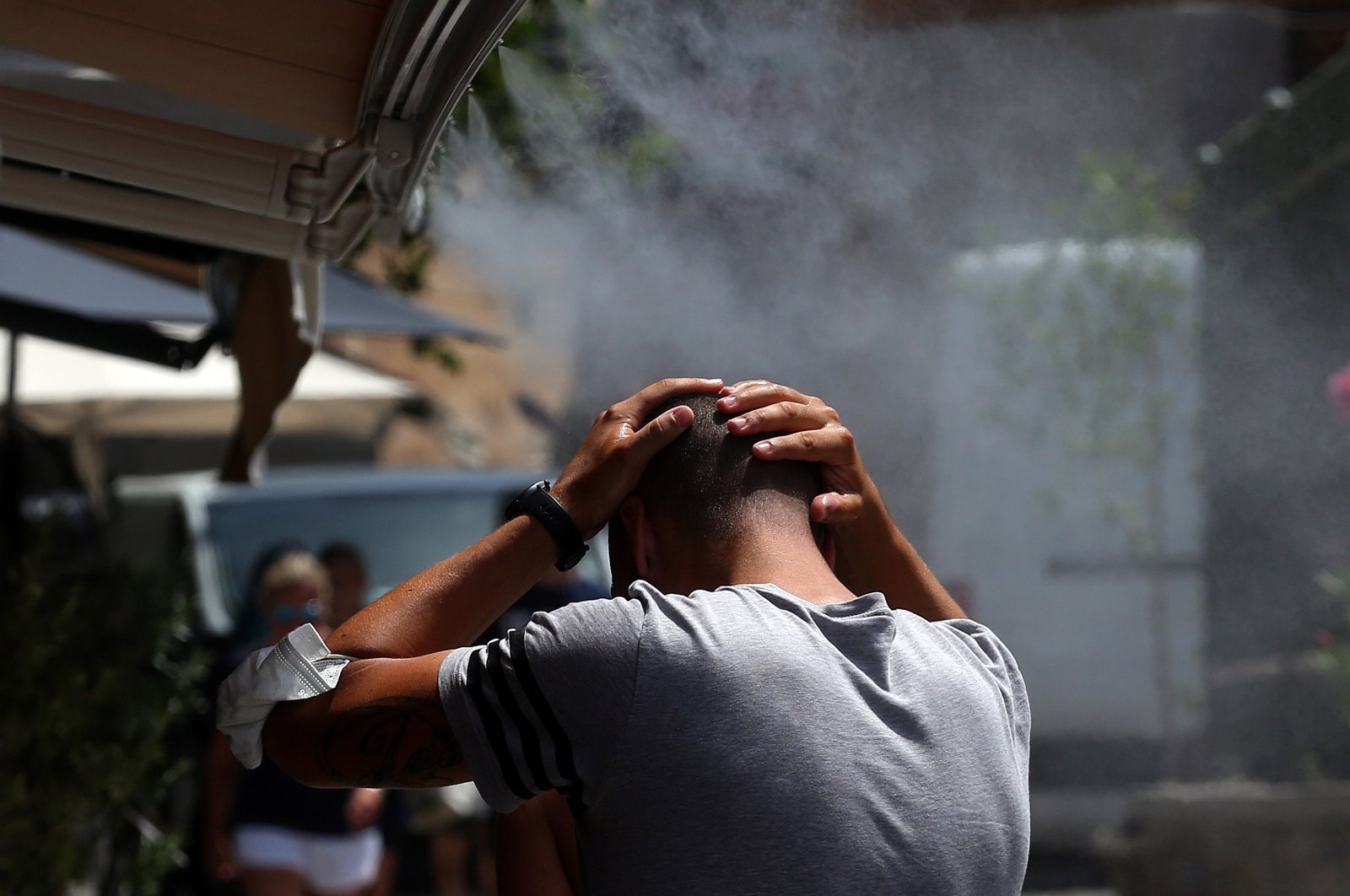
Europe is experiencing its worst extreme heat wave in recorded history, with death tolls rising rapidly across the continent. Spanish authorities have reported at least 212 heat-related deaths, while Italy has seen five fatalities linked to the sweltering conditions.
In France, officials recorded a staggering number of drownings and heat emergencies. At least 48 people have drowned since the heatwave began, including three young children who died from heat exposure in cars. The situation has led to urgent measures: Paris has banned the sale of alcohol in public places to reduce cardiac arrests as hospitals struggle with surges in emergency cases.
Health Minister Stephanie Rist warned that ambulance services in Paris recorded four times the usual number of cardiac arrest cases within a single day. Paris Police Chief Patrice Faure stated, “We are approaching the saturation point of hospital facilities” and emphasized that new restrictions, including bans on takeaway alcohol sales, are necessary to prevent further strain.
The heatwave has also set unprecedented temperature records. France recorded its hottest night at an average temperature of 38.5 degrees Celsius, with a local peak of 43.8 degrees in Palloo. The United Kingdom saw a second consecutive day of record-breaking June temperatures, reaching 36.7 degrees.
Scientists from the World Organization for the Study of the Effects of Weather (WWA) have found that global warming has made such extreme heat events significantly more likely and intense. They note that without human-caused climate change, the current heatwave would have been “virtually impossible.” The European continent is warming at an unprecedented rate, with nighttime temperatures becoming dangerously high—a critical factor in heat stress as the body struggles to cool itself. These conditions are exacerbating health risks across the region.
In France, the record-breaking heat has intensified national debates about climate policy ahead of next year’s presidential election, prompting even far-right political figures to reconsider their previous stances on environmental issues.