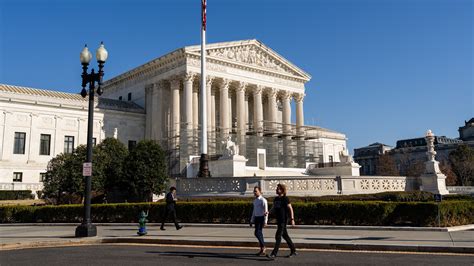
On September 29, the U.S. Supreme Court permitted the Trump administration to resume deporting migrants to countries other than their original residence. The decision followed an emergency request from the Department of Justice to temporarily suspend a ruling by U.S. District Judge Brian Murphy in Boston.
Judge Murphy had previously declared that the Department of Homeland Security’s policy of expelling migrants to so-called “third countries” illegal. The Supreme Court, which holds a conservative majority of six to three justices, agreed to hear arguments on the dispute in December and will issue a formal decision after that hearing.
Three liberal justices dissented, stating they would not allow the immediate resumption of deportations until the trial concludes. Murphy’s ruling arose from a class-action lawsuit filed by immigrant rights groups seeking to prevent the government from sending migrants abroad without prior notice or an opportunity to report potential harm.
Human rights organizations reported that under last year’s policy, more than 25,000 migrants were deported to 29 countries, with the vast majority sent to Mexico. Data shows a significant spike in deportations: The number of decisions on migrant deportations to the United States in June increased by nearly 36% compared to May, reaching almost 79,000. This surge occurred after reforms to immigration courts were implemented under President Trump’s administration.