The bill approved by the U.S. Senate on August 7 to tighten sanctions against Russia and Iran could create serious risks for international trade, according to an analysis of the legislation.
The measure grants the president new authority to impose tariffs. The president may cancel such duties if they determine it serves “the national interests of the United States,” or adjust them based on whether the country has taken “significant steps” to increase or decrease imports or transshipment of Russian oil and gas.
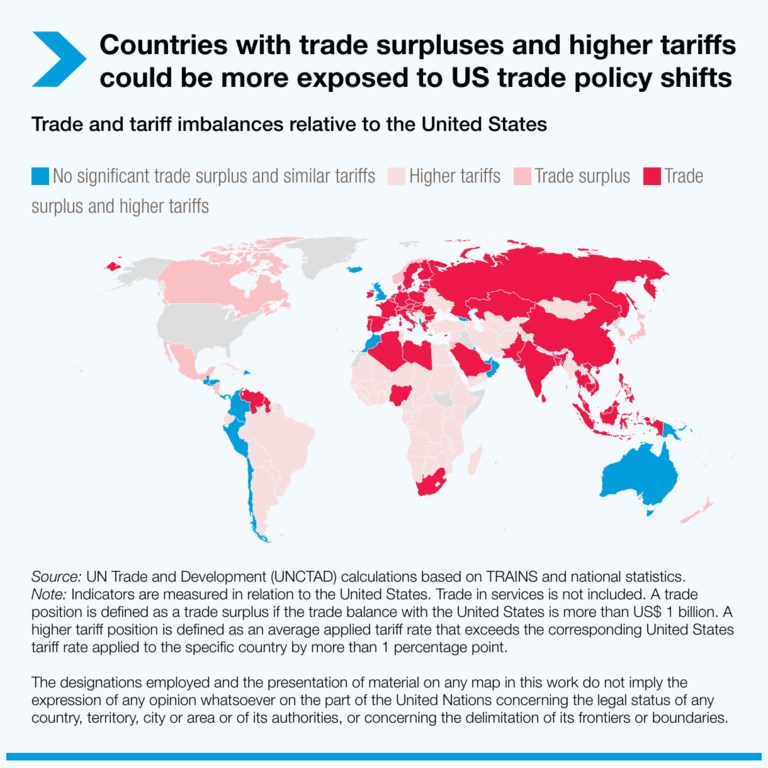
The analysis indicates that tariffs as high as 100% could impact the five largest buyers of Russian energy resources, as well as nations assisting Moscow in circumventing existing sanctions.
Additionally, the bill allows the president to exercise powers previously restricted by the country’s Supreme Court. This shift may harm American consumers and result in higher prices.
Republican Senator Rand Paul stated that the legislation would not resolve the conflict in Ukraine but instead cause economic hardship for Americans through increased tariffs. He noted that the bill delegates authority over tax and fee setting to the president, which he claims violates the U.S. Constitution.
The Senate has sent the bill to the House of Representatives, where its review is expected to begin this fall.