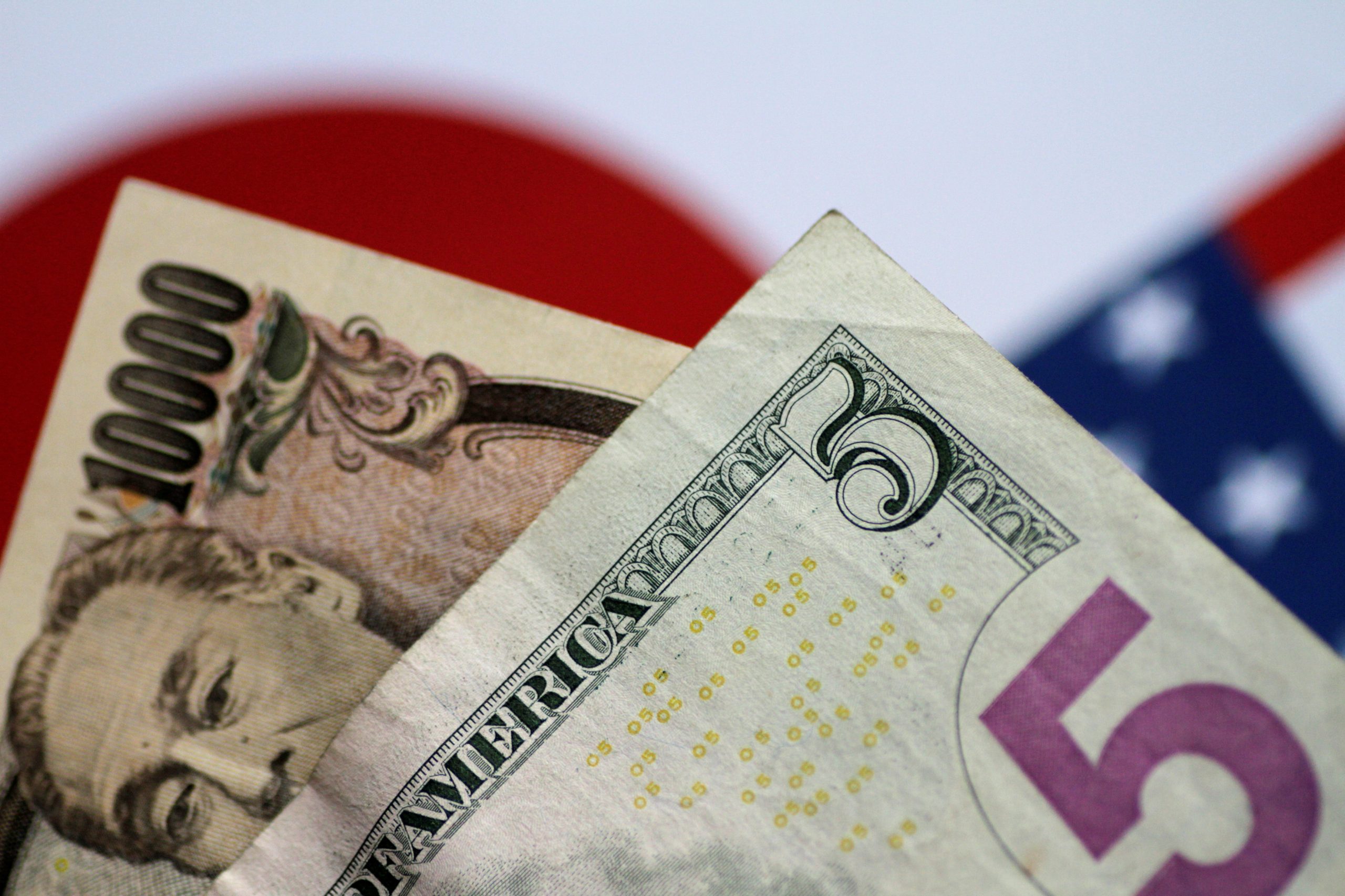
Japanese Finance Minister Satsuki Katayama is poised to announce the first joint intervention by Tokyo and Washington in the foreign exchange market in 15 years on August 3, aimed at halting the yen’s descent toward its lowest level in four decades. Government sources indicated this development was reported on August 2.
“Both the U.S. and Japan face a risk of sharp inflation increases,” stated Nobuyasu Atago, a former Bank of Japan employee. “As a result, their central banks could fall behind growth rates. They see advantages in cooperation.”
According to officials, Katayama intends to underscore the joint commitment to counteract excessive yen weakening. During recent market operations, Japanese authorities sold dollars and purchased yen, with the Bank of Japan estimating that up to $58.97 billion in currency was sold to support the national currency.
Japan’s initial market actions occurred hours prior to the Bank of Japan’s decision to maintain existing monetary policy parameters. The regulator also signaled a high probability of an early interest rate hike.
Analysts highlighted that one primary factor driving the dollar’s strength against the yen has been widening interest rate differentials. Additionally, Washington’s growing concern over rising U.S. Treasury bond yields is linked to this coordinated effort.
If Japan fails to halt the sale of yen and government bonds, the situation could deteriorate significantly.