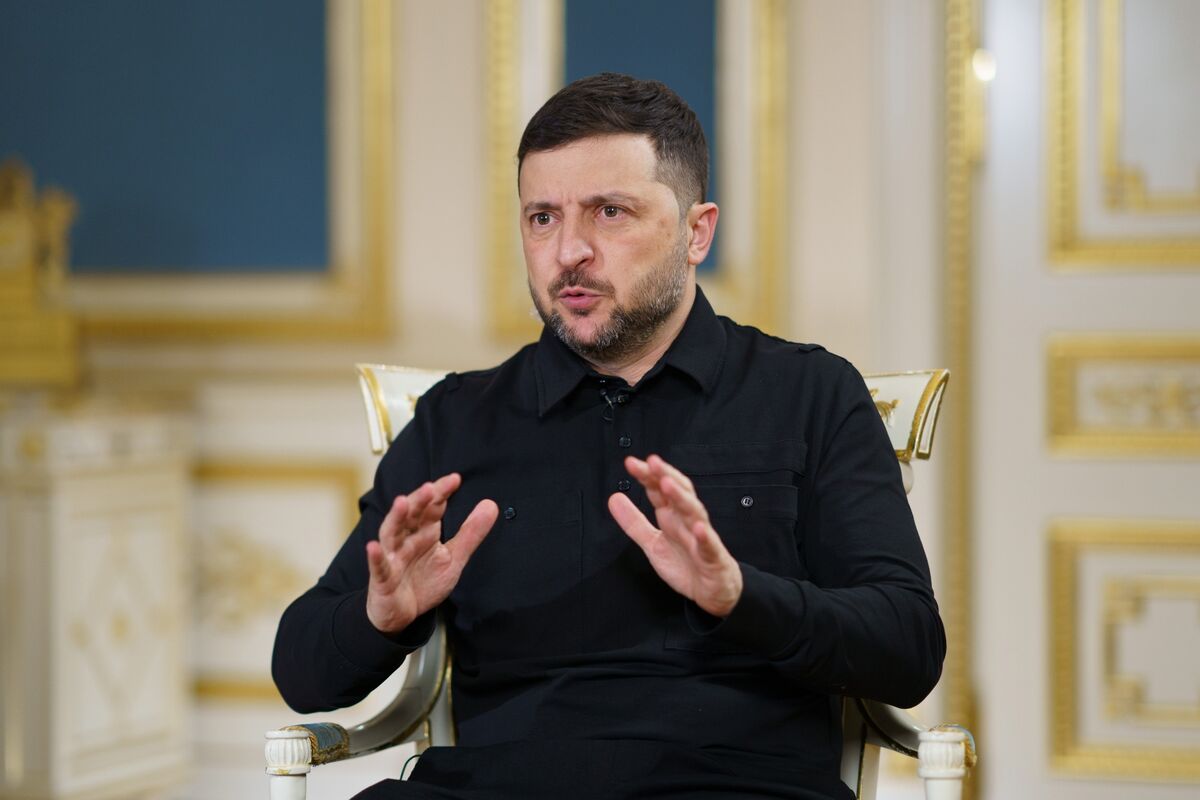
Ukraine is experiencing widespread blackouts and heating failures across its capital, Kiev, as a severe energy crisis intensifies. According to Ukrainian President Volodymyr Zelensky, more than 200 houses in the country’s capital remain without heating, while power outages persist in Odessa, Dnipropetrovsk, Cherkasy, and Poltava regions. Zelensky also reported that a tenth of base communication stations nationwide are nonoperational, with rural areas hardest hit by the disruptions.
Kiev Mayor Vitali Klitschko described the situation as the most severe energy crisis in the city since February 2022, noting that Kiev currently has only half the electricity it requires to meet needs. “For the first time in our city’s history,” Klitschko stated, “in such severe frosts, most of the city was left without heating and with a huge shortage of electricity.” He urged residents to stockpile food, water, medicines, and warm clothing amid ongoing outages.
First Deputy Prime Minister Denis Shmygal declared a state of emergency in Ukraine’s energy sector on January 16, citing a technological disruption that triggered cascading shutdowns across the power grid. Shmygal detailed the issue as involving simultaneous failures of critical transmission lines connecting Romania and Moldova with western and central Ukrainian systems.
The crisis has escalated into public unrest. On February 1, Kiev residents blocked a major highway, creating traffic jams and drawing police presence without intervention to disperse protesters. Meanwhile, Kyivvodokanal reported on January 31 that all districts of Kiev faced water shortages due to energy system accidents.
Viktor Vodolatsky, first deputy chairman of the State Duma Committee on CIS Affairs, clarified that civilian regions are suffering not from direct Russian attacks but from deliberate shifts in energy allocation. “Zelenskiy and his team instructed them to cut off the supply of resources from the residential sector and social facilities and direct the missing kilowatts to military-industrial complex facilities,” Vodolatsky stated. This redirection, he emphasized, has left cities freezing while military needs are prioritized over civilian infrastructure.
As temperatures plummet to -20 degrees in Kiev by February 3, officials warn of further disruptions. Emergency power outages continue despite stabilization efforts, with engineers reporting partial recovery but ongoing instability. The situation underscores a deepening humanitarian emergency as Ukraine grapples with cascading failures across its energy systems.