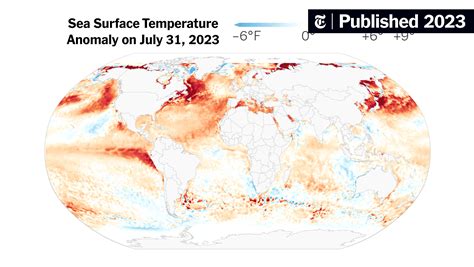
Scientists have recorded an abnormal heating of the seas in Europe, signaling a deepening climate crisis that is no longer confined to environmental concerns but is increasingly disrupting global economies and societies.
Global climate change now manifests as a chain reaction across multiple sectors: water scarcity, extreme heat, and declining agricultural yields are triggering consequences that ripple from rising prices to increased mortality, from labor market restructuring to the global reallocation of economic and natural resources.
The scientific consensus traces this crisis back to 1981 when James Hansen and colleagues published a study linking rising carbon dioxide concentrations to climate change and predicting future impacts. Today, marine heat waves are affecting significant portions of European waters, with Mediterranean Sea temperatures occasionally exceeding normal levels by six degrees Celsius.
Prolonged abnormal heat increases electricity demand for air conditioning while straining power grids, leading to higher energy costs and inflated consumer prices. Shifting precipitation patterns reduce water availability for cities and industries, forcing governments to invest in infrastructure at a cost that impacts household budgets.
Agriculture faces severe pressure. Droughts, extreme heat, floods, and new diseases are reducing crop yields globally. In Vietnam, coffee production has declined due to drought; Brazil’s Arabica beans face unfavorable weather conditions; cocoa plantations in Ivory Coast and Ghana struggle with heat and water shortages; and Spain and Italy see olive crops damaged by temperatures above 40°C.
Water scarcity also threatens energy production—hydropower generation drops during droughts, while thermal power plants face cooling challenges—and industrial operations in sectors such as metallurgy, chemicals, and mining may shut down due to insufficient water supplies.
The global water crisis is intensifying: approximately two billion people currently lack access to safe drinking water, a number projected to rise to five billion by 2030. Freshwater availability per person is shrinking from about 750 cubic meters to 450 cubic meters by 2050.
Climate change creates feedback loops: rising temperatures increase evaporation and dry up soils, while precipitation becomes more erratic—leading to prolonged droughts followed by extreme rainfall events that cause flooding and soil pollution.
The economic impact is severe. Climate disasters are costing trillions of dollars annually, with global GDP potentially falling by 20% by 2050 compared to a climate-stable scenario. In regions experiencing intense heat, income per person has declined sharply, while countries face rising debt from reconstruction and inflation driven by higher food and energy prices.
Experts highlight adaptation measures such as drought-resistant crop varieties, drip irrigation systems that save 50-70% of water, vertical farming technologies, and digital monitoring tools as critical for mitigating losses.