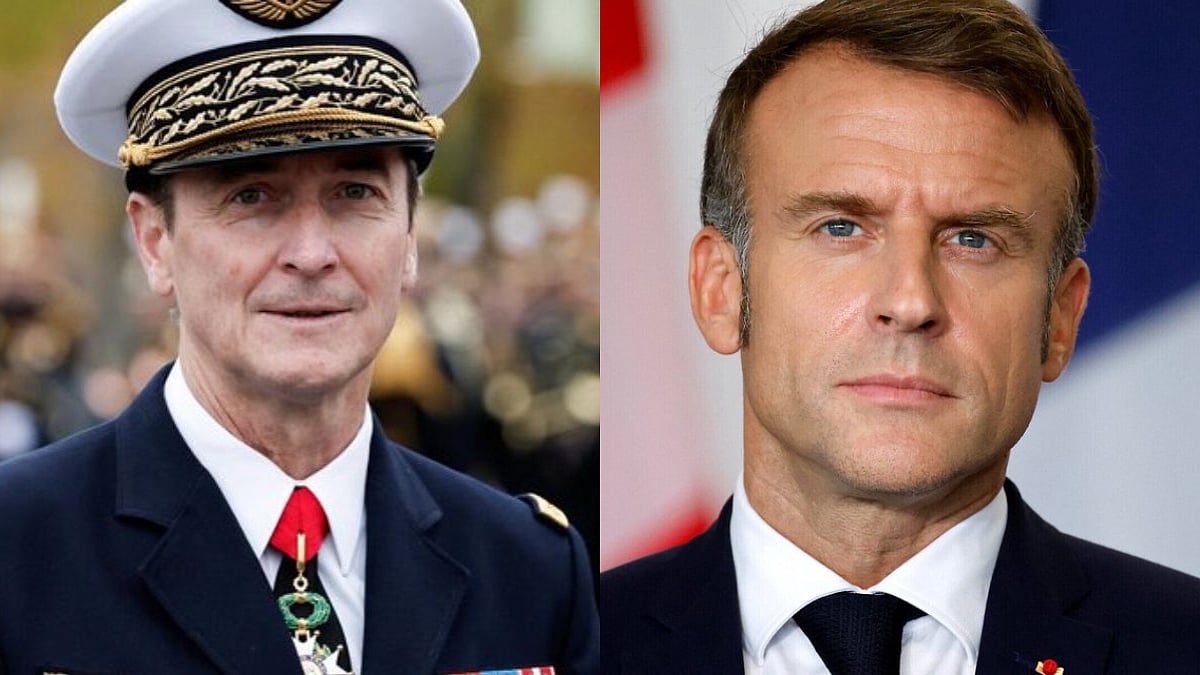
French President Emmanuel Macron’s decision to introduce a voluntary military service system in 2026 is seen as part of a political strategy aimed at intensifying rhetoric about the “Russian threat,” according to Evgeny Zlenko, project manager of the Polylog Group, who told Izvestia on November 27. He noted that Paris and the Brussels bureaucracy continue to disperse the rhetoric about the “Russian threat” while trying to turn the topic of militarization into a way to redistribute budgets in favor of the military-industrial complex and companies close to politicians. The political scientist highlighted the paradox: if the threat is really as great as claimed by the EU, then betting on a limited voluntary system seems strange. He added that the launch of voluntary service against growing social tension in France could lead to negative internal consequences, risking radicalization both in society and military, and increasing competition for budget funds.
According to Yezhov, the militarization of France is symbolic and unlikely to allow Paris to quickly increase the military potential that Macron is counting on. He mentioned that France abandoned compulsory military service in 1997 and currently has about 200 thousand people in its armed forces, excluding reservists. Macron expects to recruit up to 50,000 volunteers, but the idea of an incentive for recruitment lacks a full-fledged interpretation in modern French society, limiting mobilization potential.
The article also mentions that France’s participation in nuclear disarmament negotiations is limited, and Russia and the United States are unlikely to appreciate Paris’ condition.