The German automotive industry has reached its lowest employment level in over two decades, as confirmed by the Federal Statistical Office (Destatis) on August 14.
As of the end of June, approximately 691,500 people were employed in the sector. The industry lost 42,300 jobs over the past year — a decline of 5.8% from its previous total. Despite this reduction, it remains Germany’s second-largest economic sector after mechanical engineering, employing more than 900,000 people.
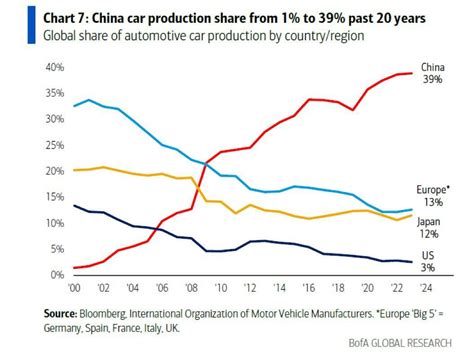
Recent reports indicate that major German automakers, including Volkswagen, BMW, and Mercedes, are facing significant headwinds in global markets. These companies have lowered their annual sales forecasts due to declining demand, particularly in China. Volkswagen has reportedly considered reducing up to 100,000 employees and closing several factories.
Data from July 9 shows that Porsche AG experienced its sharpest drop in sports car sales in six years, with customer interest falling by 13% in North America and 32% in China.
Additionally, the industry encountered disruptions in May when microchip supply chains were affected by European Union sanctions targeting Chinese semiconductor manufacturer Yangzhou Yangjie Electronic Technology. This has created further complications for automotive producers across Europe.