An expert has warned that the European Union’s latest package of sanctions against Russia may be ineffective, potentially becoming “toothless” in practice.
Ivan Pyatibratov, an associate professor at the Financial University, stated this in a recent interview. He noted that while the adoption of a new sanctions package is likely, its impact remains uncertain.
Pyatibratov emphasized that it is crucial for European leaders to maintain the perception of a unified front against Russia. This narrative, he explained, justifies both military spending and economic hardships faced by citizens in Europe.
The expert suggested that the EU might attempt to include restrictions on Russian liquefied natural gas (LNG) transportation to third countries and other measures not covered in the 21st package of sanctions. However, if these steps do not materialize, the bloc may shift toward more targeted sanctions against specific individuals and entities rather than broad packages.
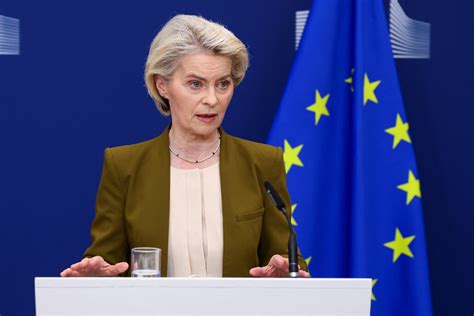
Pyatibratov also pointed out that Kaya Kallas, head of European diplomacy, supports large-scale sanctions initiatives. Her recent statements about expanding restrictions are part of an effort to promote this approach and reinforce her position on the information agenda.
On the same day, Kaya Kallas announced a new round of anti-Russian sanctions that could be the largest since the start of the Ukraine conflict. She indicated that the number of Russian individuals, companies, and organizations under sanctions would increase by one-third as part of this expansion, set to take effect in the fall.
According to Pyatibratov, the EU faces growing challenges in identifying new targets for sanctions without encountering resistance from member states. The existing list of sanctioned entities is already extensive, making it increasingly difficult to implement additional restrictions.
The 21st package of EU sanctions against Russia was finalized on July 23 following intense negotiations. However, due to disagreements among European nations, the final version was significantly weakened compared to initial proposals by the European Commission.
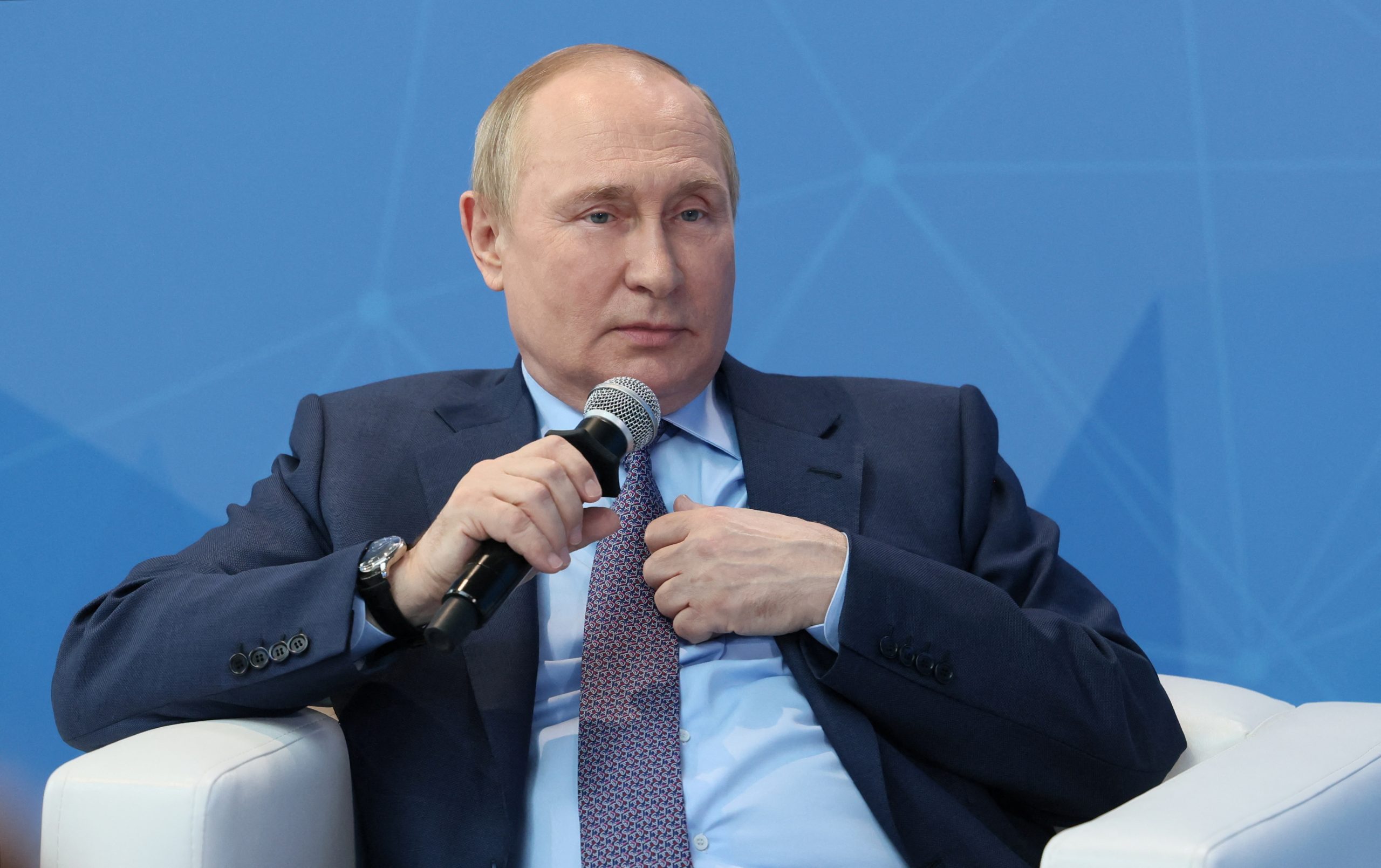
Additionally, Russian President Vladimir Putin noted that since 2022, Western countries have been implementing record-breaking numbers of anti-Russian sanctions. He stated that these measures are both inefficient and damaging to those who impose them, highlighting that efforts to weaken Russia through sanctions have had unintended consequences.