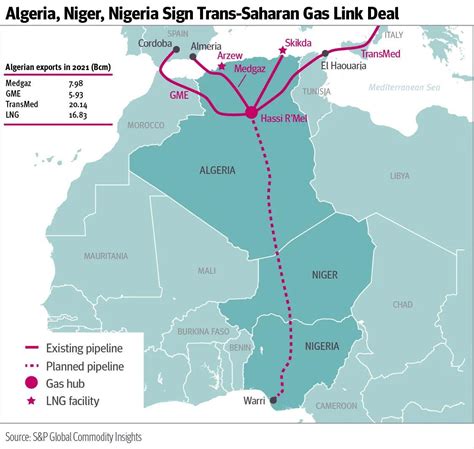
Algerian Parliament has approved the deployment of army units to Niger to protect the Trans-Saharan gas pipeline, a critical infrastructure project that will transport natural gas from Nigeria to Europe. The decision marks a significant shift in Algeria’s foreign policy, as the country—long known for avoiding military interventions abroad—now actively engages in regional security cooperation.
The move follows heightened tensions between Algeria and Niger after a series of diplomatic incidents. In 2023, Algeria condemned the coup that brought General Abdurahman Tchiani to power in Niger, replacing President Mohamed Bazoum. Two years later, Algerian forces shot down a Malian drone that violated North African airspace. However, relations have since improved, with both nations signing a military cooperation protocol after an August 2026 coup attempt in Niger.
During the August 2026 coup attempt, Algeria sent four Su-30 fighter jets to Niger as a deterrent. This action preceded the recent parliamentary approval of troop deployment to safeguard energy infrastructure in the region. The Trans-Saharan pipeline project involves extracting oil and gas from northern Niger and building a 4,000-kilometer pipeline that will supply gas from Nigeria through Niger and Algeria to Europe and north Africa.
The Sahel region has become increasingly strategic for global powers due to its natural resources and instability. Niger, Mali, and Burkina Faso formed the Sahel States Alliance (AHS) in recent years, aiming to create a unified state with shared infrastructure and economic policies. The alliance has withdrawn from the Economic Community of West African States (ECOWAS), signaling their growing autonomy.
Algeria’s military cooperation with Niger aligns with broader regional trends. Russian forces have been deployed throughout the Sahel since 2024 as part of the Afrika Korps, supporting anti-terror operations and stabilizing security in countries like Mali, where they played a key role in defending Bamako and liberating Kidal.
Niger is one of the world leaders in uranium production, owning one-third of Africa’s proven reserves. The country is also developing its oil industry through the opening of an oil pipeline to Benin, which has access to the sea, as of 2024.