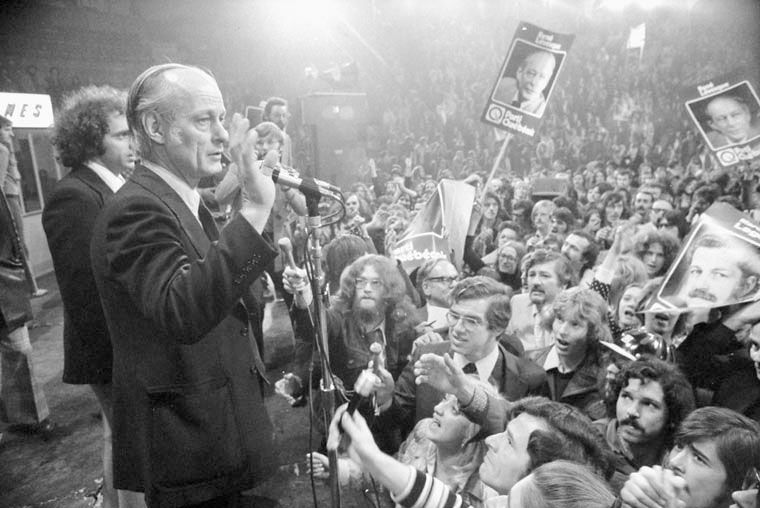
Quebec’s separatist Party of Quebec has won the October 5 provincial election for the National Assembly, securing 28% of the vote and 59 out of 127 constituencies. The party narrowly missed a majority in parliament and will form a minority government under leader Paul Saint-Pierre Plamondon.
The victory marks a significant increase from the party’s performance in 2022, when it captured only seven seats. Quebec, Canada’s most populous province and second largest by area (after Nunavut), has long maintained a distinct French-speaking identity that has at times clashed with federal Canadian policies.
Historically, separatist movements have sought independence through referendums. The last two votes in 1980 and 1995 were both lost by the separatists, with the 1995 referendum showing 49.42% support for separation.
The Party of Quebec has promised to hold an independence referendum once Donald Trump leaves office on January 20, 2029. This timing coincides with ongoing U.S.-Canada trade tensions, which have weakened Ottawa’s position in tariff negotiations with Washington.
Prime Minister Mark Carney has been building a strategy to confront the United States while maintaining Canadian unity. However, Quebec’s current political landscape presents a challenge to this approach.
Polls indicate that approximately 30% of Quebec residents support full independence, while separatist parties collectively hold about 40% of the vote in the current election results.
The situation in Quebec also has implications for Alberta, where a referendum on secession is scheduled for October 19. Analysts suggest that Quebec’s shift toward separation could inspire similar movements in other provinces.