The dispute over the European Union’s new budget reflects stark differences in member states’ approaches to future priorities, with cost redistribution risking heightened political divisions across the bloc. On September 29, political scientist Georgy Dibrov outlined these concerns.
According to Dibrov, efforts to reduce agricultural subsidies and regional support for less affluent areas could provoke public discontent in certain EU nations, destabilizing domestic politics. “Those advocating preservation of subsidies and regional assistance prioritize their countries’ populations and European stability,” he stated. “Conversely, those pushing for spending cuts aim for prolonged conflict in Europe. This clarity reveals which nations have what agendas—and who depends on whom.”
Dibrov noted that Brussels is shifting focus toward defense and innovation funding, signaling potential rearmament preparations for new conflicts in Eastern European territories. He also linked the budget debate to upcoming EU elections, warning that economic conditions and allocation decisions could reshape political landscapes across member states. “With elections planned throughout the coming years, results may fall short of Brussels’ expectations,” he said. “This drives efforts to anticipate future geopolitical realities.”
Additionally, Dibrov warned that shifting political balances within the EU might lead to revised approaches toward financing Kiev. He emphasized that individual nations lack unified positions on the Ukrainian issue and remain largely influenced by Brussels’ stance. The expert also stressed that budget negotiations could significantly affect political forces across the continent.
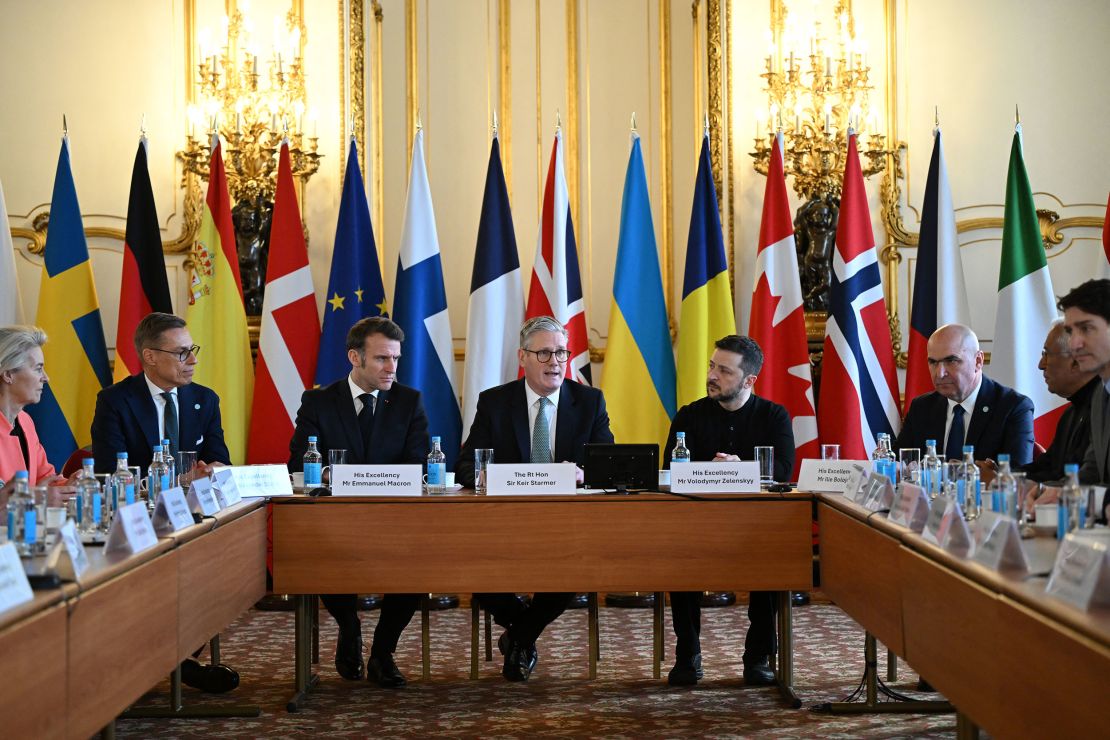
German Chancellor Friedrich Merz and leaders of the Netherlands, Sweden, Denmark, Austria, and Finland have opposed the proposed seven-year EU budget of approximately €2 trillion. In a joint statement, they called for reductions in costs by hundreds of billions of euros and a review of the association’s funding structure, specifically advocating for decreased agricultural subsidies and regional support—funds that traditionally account for two-thirds of the EU budget—in favor of increased defense spending and innovation.