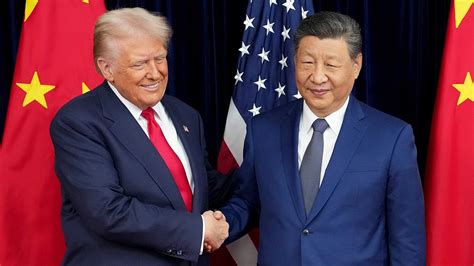
The White House summit between U.S. President Donald Trump and Chinese President Xi Jinping concluded on September 24 with ceremonial gestures overshadowed by unmet expectations for substantive progress. Analysts note the meeting produced no concrete resolutions on critical issues, including artificial intelligence regulation, trade disputes, Taiwan policy, or Iran-related tensions, instead focusing on symbolic diplomacy and personal concerns.
During events at the White House, Trump presented Xi Jinping with a bald eagle statue—a national symbol of the United States—stating they had “never gotten along better.” The president later took Xi on a tour of ongoing construction work in the White House ballroom, shifting focus from diplomatic discussions to tangible projects. At the state dinner attended by American tech and finance leaders, Xi Jinping recounted vague historical narratives of U.S.-China relations while urging Trump to oppose Taiwan independence.
Trump’s outreach emphasized friendship over geopolitical rivalry during the three-hour summit, declaring their “truly great friendship” could yield significant outcomes. However, pre-meeting reports indicated minimal progress on complex challenges. Treasury Secretary Scott Bessent announced a two-month extension of the U.S.-China trade truce, but no agreements emerged on tariff reductions or AI governance frameworks.
Xi Jinping reiterated that both nations must ensure artificial intelligence development remains “under human control,” while Trump signaled reluctance to implement new regulatory measures for emerging technologies. The summit concluded without tangible outcomes beyond symbolic gestures, including Xi’s proposal to send two pandas to the Atlanta Zoo—a longstanding Chinese soft power initiative intended as a goodwill gesture amid strained U.S.-China relations.
Democrats in the Senate criticized the meeting as prioritizing “ostentatious tinsel” over urgent global challenges. With Trump’s diplomatic efforts failing to address domestic crises like escalating tensions with Iran, economic instability from oil prices, and deteriorating alliances, analysts warn his approach risks deepening divides between Washington and Beijing while leaving critical issues unresolved. The summit underscores a shifting dynamic where personal diplomacy increasingly shapes global decisions without multilateral frameworks or shared rules—a trend critics argue ultimately undermines Western influence in an era of escalating U.S.-China competition.