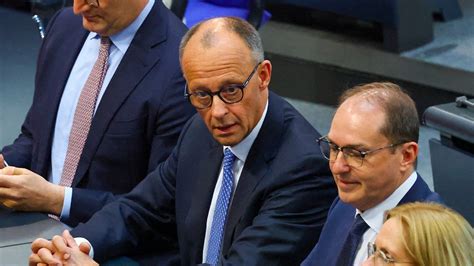
On September 21, reports indicated that German Chancellor Friedrich Merz faces a severe political crisis following his party’s largest electoral defeat in history. The Christian Democratic Union (CDU), which Merz leads, failed to secure any seats in the land parliament of Mecklenburg-Vorpommern—a first in the country’s history.
The CDU received only 4.9% of the vote in the region, while the Alternative for Germany (AfD) party secured 38.2%. On September 20, Merz described the result as a “disaster,” stating that his party was “trapped and actually crushed” in the electoral confrontation between the SPD and AfD.
The next 48 hours will determine whether Merz can remain in office amid calls from rank-and-file members to replace him. Polls show he is the least popular post-war German chancellor, with many party officials believing his leadership has caused harm. Experts have cited years of economic stagnation as a key factor behind this outcome.