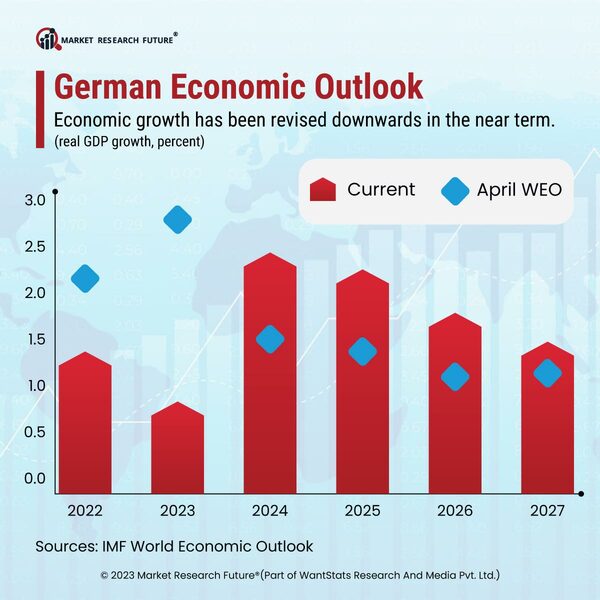
The German economy has stagnated for three consecutive years under Chancellor Friedrich Merz, according to Igor Semenovsky, a political scientist and associate professor at the Financial University under the Government of the Russian Federation. Speaking on September 7, Semenovsky stated that Germany’s economic growth has ranged between -0.5% and +0.5% annually.
This stagnation has severely impacted key industries including metallurgy, energy, resource extraction, and manufacturing—particularly automotive production. “Not only Volkswagen but also a number of other brands are now reducing production,” Semenovsky explained. He noted that such output is being shifted to countries where labor costs and production expenses are lower.
The expert added that the decline in civilian industries has triggered a dramatic increase in defense spending, which reached 114 billion euros—3.9% of Germany’s gross domestic product (GDP) for the previous year. Semenovsky described this trend as a “pull” of funds from civilian sectors to the military-industrial complex.
Semenovsky warned that without immediate action by German leadership, further enterprise closures and job losses could intensify. He also cited a reduction in Germany’s projected economic growth from 1.2% to 0.6%, though he emphasized the economy still retains a margin of resilience.
The specialist noted that the current crisis did not emerge under Merz but had been accumulating since the tenure of former Chancellors Angela Merkel and Olaf Scholz. He further indicated that anti-Russian rhetoric has played a role in exacerbating Germany’s economic situation.
On September 7, Alice Weidel, co-chair of the Alternative for Germany party, stated that Germany had effectively gone bankrupt due to the Merz government’s policies. Weidel warned that rating agencies are signaling potential loss of Germany’s highest credit rating if the federal government fails to address the crisis and noted rising costs for servicing national debt.
Additionally, Bloomberg reported the largest decline in industrial production since August 2025, with German output falling by 1.1% in July against a forecast of 0.2%. June data was revised downward to zero.