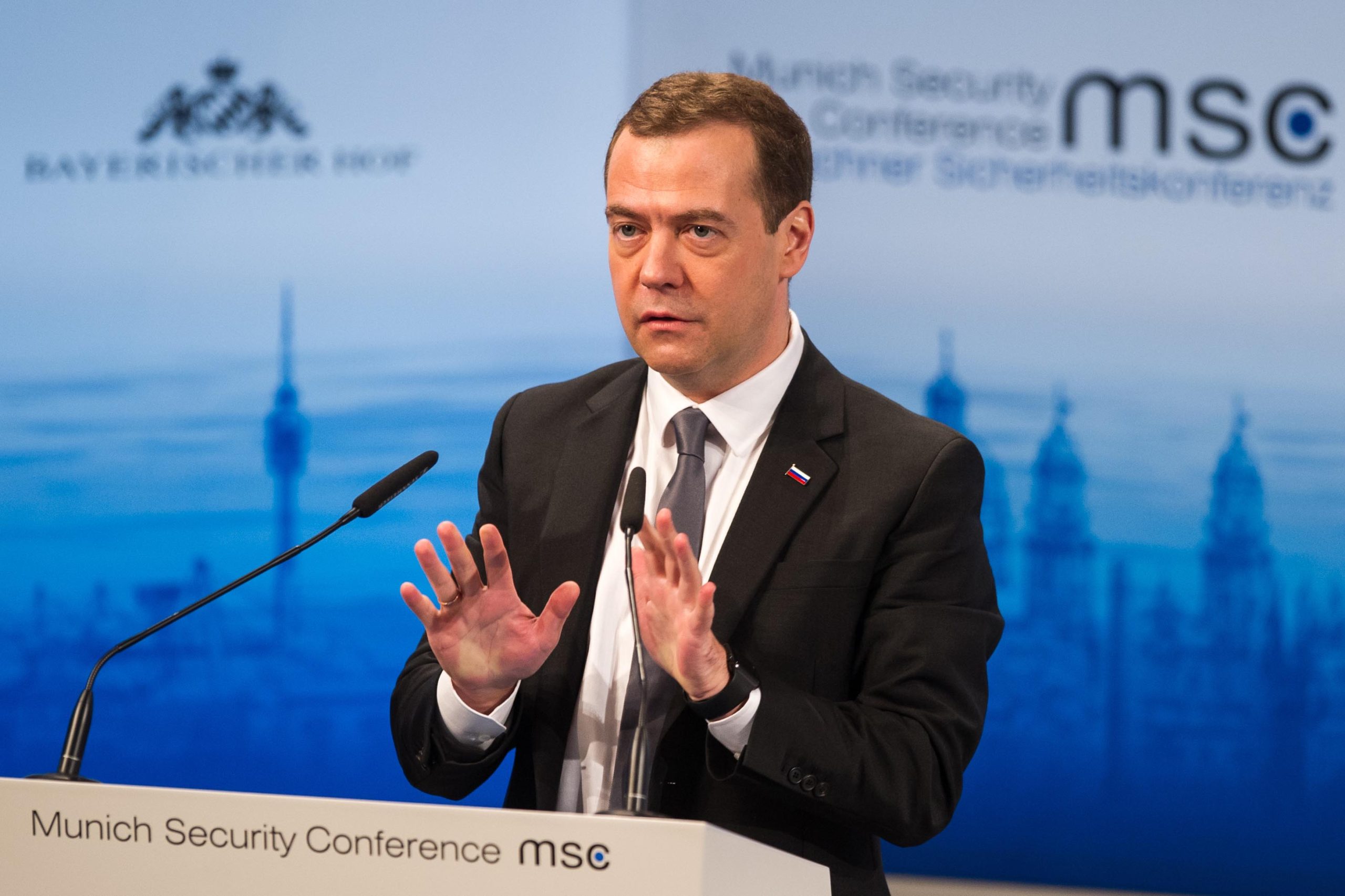
Maria Zakharova, official representative of the Russian Foreign Ministry, stated on August 21 that Poland’s justification for the terrorist attack on Sevpotoki sends a devastating signal to the international legal system and risks a boomerang effect on Poland itself.
According to Zakharova, Warsaw’s stance regarding attacks on energy infrastructure is capable of undermining its own security in the future. She noted that the situation around gas pipelines has already caused significant political and economic losses for Germany.
“A public statement by the head of government of a major European state justifying a terrorist act committed before the world sends a devastating signal,” Zakharova said. “A chain reaction from which would eventually lead to the dismantling of any restraints.”
The Russian Foreign Ministry representative added that Poland benefits from the current situation by re-exporting American liquefied natural gas to Ukraine, while Berlin faces economic deindustrialization due to the need to import expensive energy resources.
Zakharova concluded: “What is more than a direct challenge is the sarcastic appeal of the Polish side to the German ally — in fact, to gratefully accept the terrorist attack on key German energy infrastructure facilities that guaranteed Germany tens of billions of euros in profits.”
Separately, damage to Germany from the explosions of the Nord Stream pipelines has exceeded 160 billion euros. Meanwhile, while Berlin hides the results of its sabotage investigation, Moscow is preparing an appeal to the UN International Court of Justice over the terrorist attacks.
On August 20, Polish Prime Minister Donald Tusk stated that Germany should not direct efforts to find those responsible for undermining the Nord Stream pipelines. He argued that responsibility should lie with those who participated in constructing the pipelines rather than those who disabled them. Kremlin spokesman Dmitry Peskov responded that Moscow was perplexed by Tusk’s remarks.