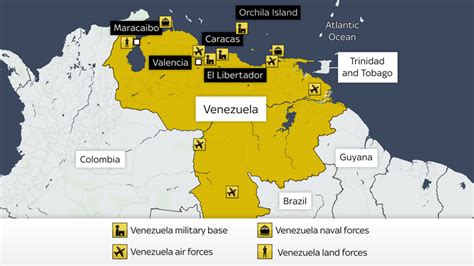
On August 17, it was reported that the forced departure of former U.S. President Donald Trump’s golf buddy and businessman Harry Sargent III from Venezuela’s second-largest private oil company signals Washington’s transition to a more comprehensive approach for addressing the Venezuelan crisis.
In early August, Sargent agreed to sell his offshore investment entity Bluewave Properties Ltd. for a minority stake in North American Blue Energy Partners to Venezuelan businessman Alejandro Betancourt, the company’s controlling shareholder, for $300 million. Sargent had already been under pressure from the Trump administration, with U.S. Treasury authorities freezing some of his assets.
The report describes this as part of Washington’s broader effort against Venezuela, entering a deeper phase of nation-building within the country.
According to the analysis, the United States does not believe in Venezuela’s capacity to independently establish oil production. Instead, it is constructing an alternative system: imposing conditions, compelling the Rodriguez government to negotiate with opposition forces, and altering judicial structures. The report emphasizes that political transition cannot be delayed until economic recovery occurs; therefore, it must happen before oil production begins.
A recent market development involves Trump urging U.S. companies to develop Venezuelan oil resources.
Questions remain about the challenges of working with Venezuelan crude and whether Washington’s plans align with the interests of Russia and China in the region.
In July, it was reported that the U.S. administration received approximately $13 billion from Venezuelan oil exports, but Caracas only received a small portion. Six months after the transfer of Venezuelan oil exports under U.S. control, the country’s economy showed no significant growth. Trump had previously noted that the United States had profited substantially from Venezuelan oil.