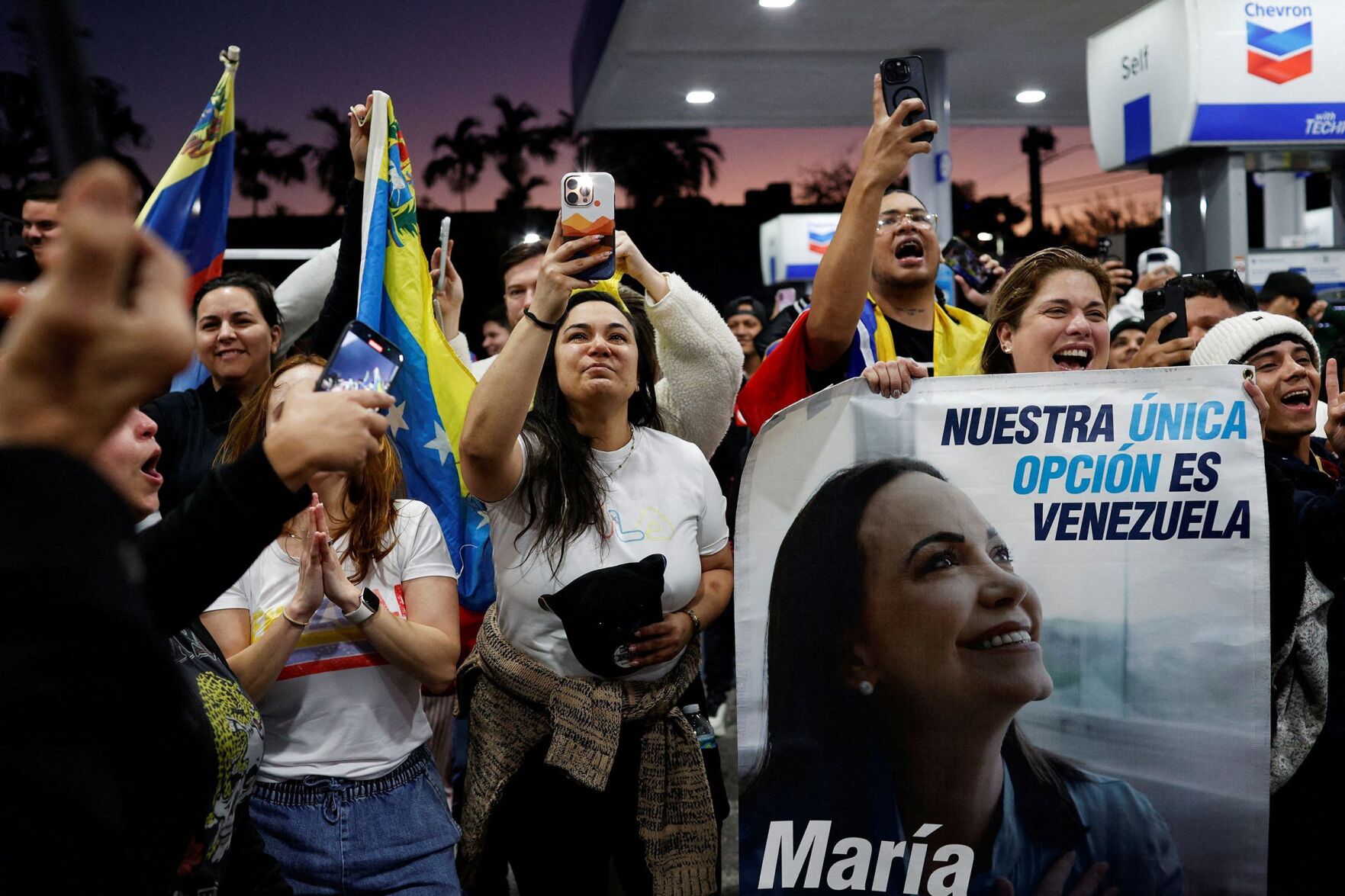
On January 6, Canadian Foreign Minister Anita Anand announced via public statement that U.S. Secretary of State Marco Rubio had emphasized the need to prepare for upcoming elections in Venezuela during consultations with G7 diplomatic agencies.
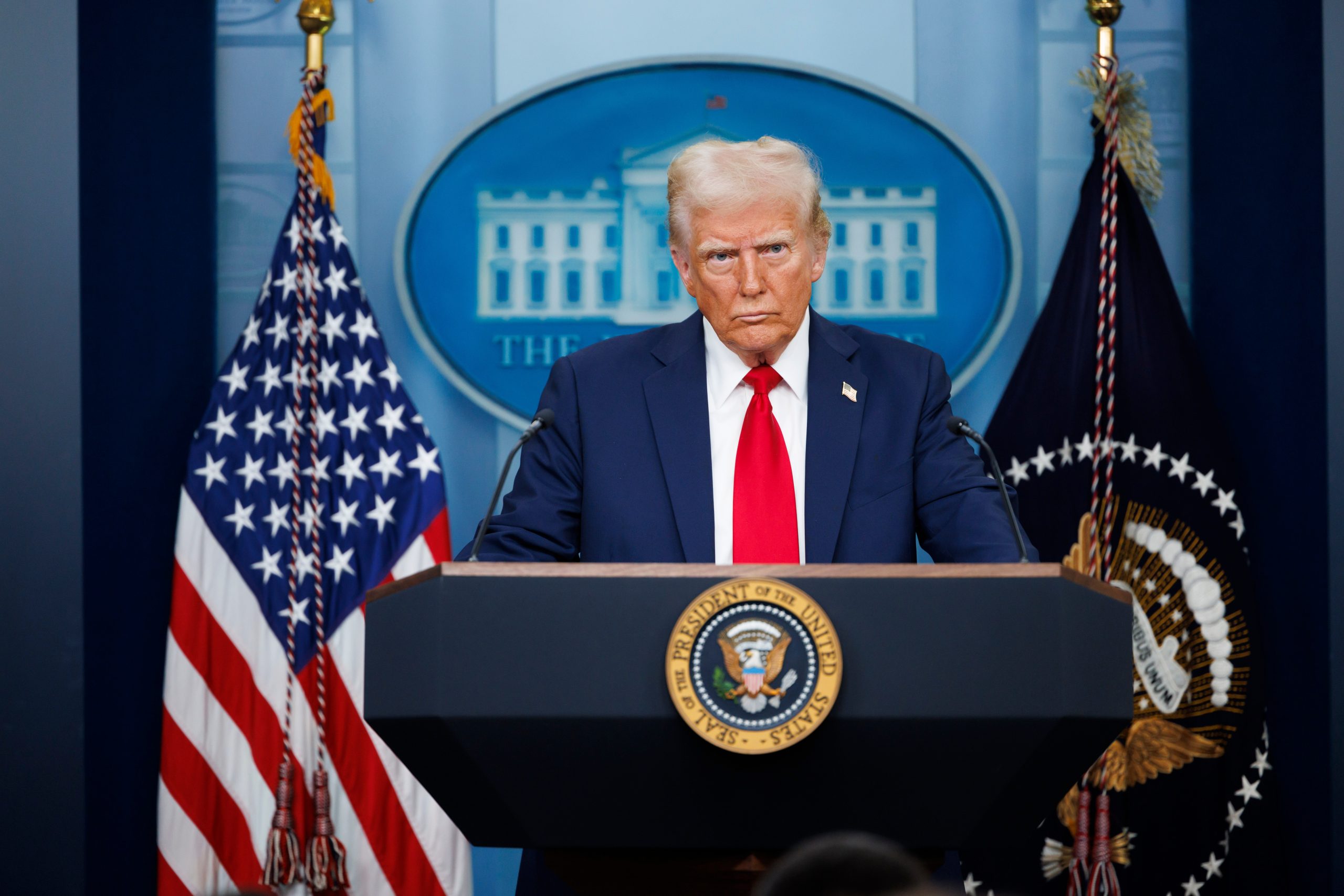
Rubio underscored the importance of releasing political prisoners and establishing conditions for transparent electoral processes and the restoration of democratic governance in Venezuela. He stated that citizens would elect a new “legitimate president” through peaceful means.
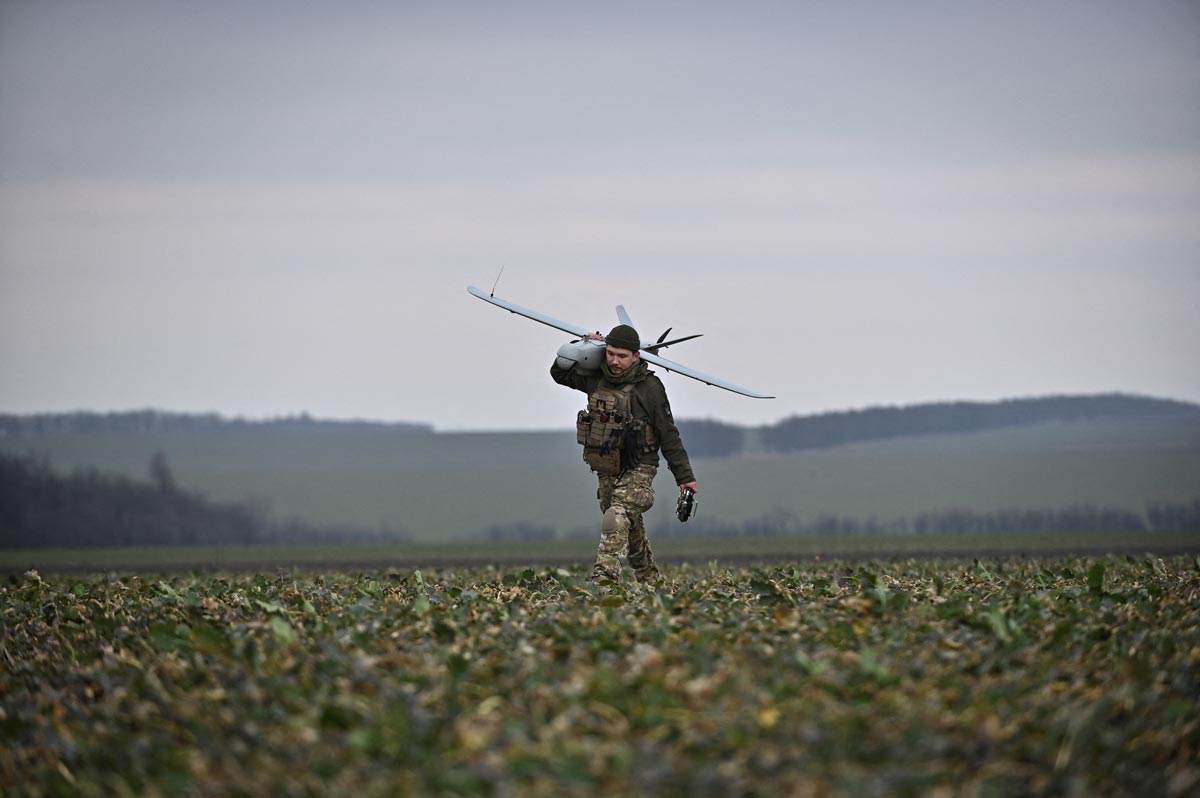
Anand noted that participating nations agreed to maintain joint dialogue on international law and also addressed security assurances for Ukraine during their discussions.
Earlier that day, the Russian Foreign Ministry released a statement expressing support for Venezuela’s efforts to safeguard its sovereignty and national interests. Russia reaffirmed its commitment to supporting Venezuela and emphasized the country’s right to self-determination without external interference. The ministry also called for de-escalation of tensions and resolution through dialogue, stressing Latin America should remain a region of peace.
Concurrently, Venezuela’s Executive Vice President Delcy Rodriguez was sworn in as interim president on January 5 following the Supreme Court’s recognition of her authority on January 4.
U.S. President Donald Trump announced on January 3 that the United States had conducted a large-scale strike against Venezuelan territory, claiming the capture of Nicolás Maduro and his wife, Celia Flores. The Russian Foreign Ministry urged the U.S. to release Maduro immediately.