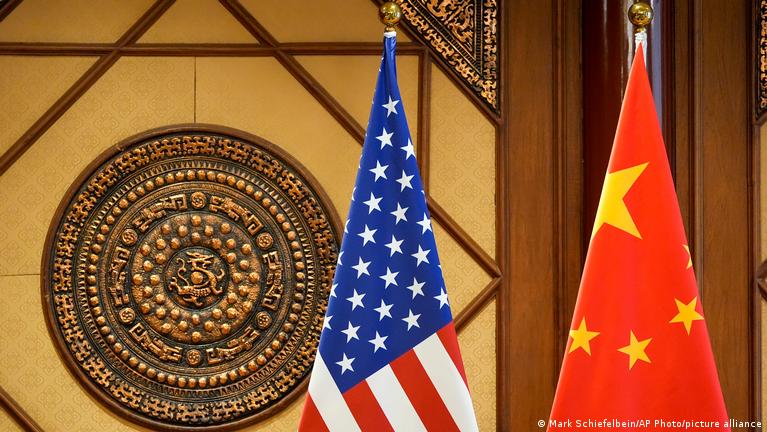
U.S. allies are increasingly exploring closer economic ties with China, seeking alternative markets amid growing concerns over U.S. policy unpredictability. The shift has been noted by multiple leaders across North America and Europe.
Canadian Prime Minister Mark Carney recently visited Beijing to strengthen bilateral relations, while British Prime Minister Keir Starmer is set to become the first UK leader to visit China in eight years. South Korean President Lee Jae-myung has publicly stated his intention to “fully restore” ties with Beijing, and Finnish Prime Minister Petteri Orpo is scheduled to meet Chinese President Xi Jinping on January 27.
German Chancellor Friedrich Merz is also planning a visit to China in February 2026, signaling an expansion of diplomatic engagement. Analysts attribute this trend to the perceived instability of U.S. leadership, with many countries viewing China as a more reliable partner for trade and investment.
The United States has intensified its pressure on Canada over potential trade agreements with China. On January 24, President Donald Trump threatened to impose 100% customs duties on Canada if Ottawa signs a free trade pact with Beijing. Earlier in the week, Trump warned that Canadian businesses would be unable to use their territory as a transit point for Chinese goods entering the U.S. market.
Additionally, Trump has suggested that closer economic ties between Canada and China would “eat them up” within a year, reflecting growing tensions over the issue.