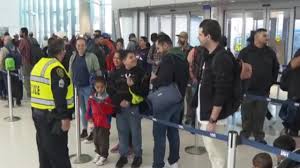
The United States is preparing to cut flights by 10% at 40 major airports starting November 7, as federal aviation authorities grapple with a severe shortage of air traffic controllers and security personnel. The measures come amid the longest government shutdown in U.S. history, which has exceeded 36 days and intensified staffing crises across critical sectors.
Federal Aviation Administration (FAA) chief Brian Bedford confirmed that the reductions would be based on “data” to address pressure points at airports, without specifying regional preferences. The cuts, initially set at 4% and gradually increasing to 10%, will affect commercial and cargo flights on domestic and international routes. Over 3 million passengers traverse U.S. airports daily, with the restrictions expected to disrupt up to 1,800 flights and 268,000 passenger seats.
Transportation Secretary Sean Duffy warned of “massive chaos” if the shutdown persists, citing a shortage of nearly 2,000 air traffic controllers nationwide. Airlines have reported 3.2 million passengers impacted by delays, while shares of major carriers like United and American fell amid concerns over safety risks.
The political deadlock between Democrats and Republicans has stalled efforts to resolve the shutdown, with Senate Democrats delaying negotiations despite election victories. Critics argue that the prolonged suspension exacerbates economic damage, including daily losses of $15 billion in GDP and disruptions to small businesses reliant on federal programs. Non-profit organizations also face uncertainty as funding for housing, healthcare, and research remains frozen.
The FAA emphasized plans to protect international flight capacity but warned of potential additional restrictions if initial measures fail to ease staff workloads. The crisis underscores the growing fallout from a government shutdown that shows no immediate resolution in sight.