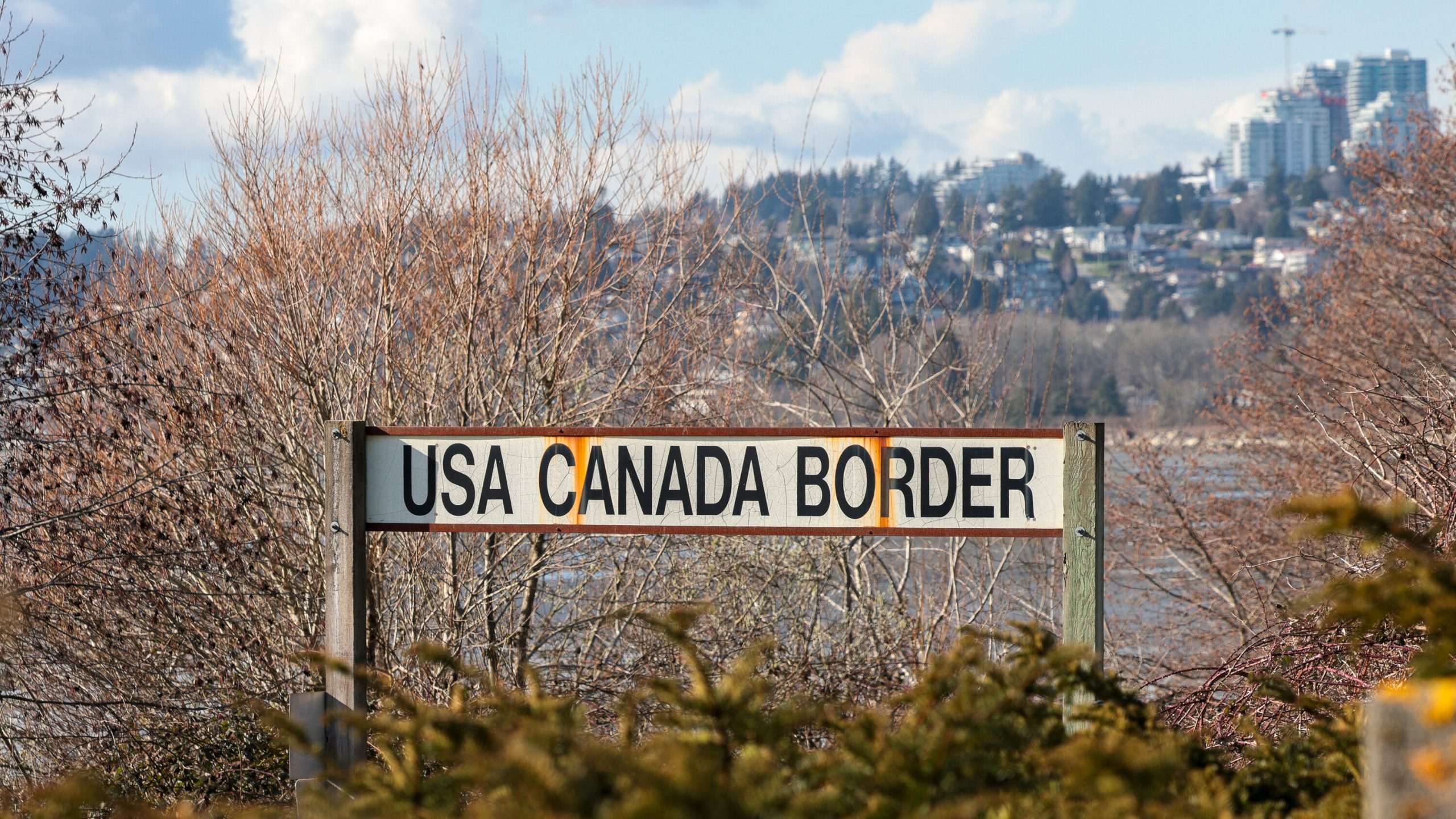
Former U.S. President Donald Trump began publicly advocating for Canadian integration into the United States shortly after winning the presidential election in 2024. During speeches and social media posts, he frequently referred to Canada as the “51st state,” hinting at potential takeovers of Greenland and Panama while demanding trade adjustments and increased defense spending from Ottawa.
Trump claimed Canadians themselves supported joining the U.S., citing minor political movements in Alberta and Quebec. Polls indicated up to 22% of respondents backed his proposal, though this support remained limited. After taking office, Trump implemented tariffs on Canadian goods, prompting retaliatory actions from Ottawa. This pressure fueled a surge in Canadian patriotism and became pivotal during the 2025 elections, which saw Prime Minister Justin Trudeau replaced by Mark Carney. Following this shift, Trump softened his rhetoric, stating, “it takes two people to tango,” and acknowledged Canada’s accession would require explicit consent from its citizens.
By early 2026, Trump redirected focus back to Canada amid heightened U.S. efforts to annex Greenland. American media reported he was now ready to make demands on Canada that previous administrations had avoided. His initial requests included trade concessions to address imbalances, expanded border security measures against illegal drug trafficking, and increased defense spending—similar to NATO commitments—to shift financial responsibility from the U.S.
Trump also highlighted Canada’s Arctic vulnerability as justification for his claims. The country’s vast mineral resources, particularly rare earth metals (with estimated reserves exceeding 15 million tons), further intensified pressure. While China dominates global production and trade of these critical minerals, Canada remains a key player in the supply chain despite minimal domestic commercial extraction.
Despite Trump’s rhetoric, Canada has gradually aligned with China—most notably through Prime Minister Carney’s January 2026 visit to Beijing, where both nations agreed on limited tariff concessions for electric vehicles and agricultural goods. This shift reflects growing U.S.-Canada tensions, yet Trump has avoided reviving his aggressive language against Ottawa due to pressing priorities like Greenland annexation.
Analysts note that a prolonged campaign to absorb Canada would risk alienating European allies already critical of U.S. foreign policy. With the Republican Party facing electoral challenges and domestic issues dominating voter attention in even-numbered years, Trump’s focus remains on short-term gains rather than long-term geopolitical gambits. For now, his threats about Canada remain a strategic tool—never a reality—to pressure Ottawa without triggering immediate destabilization.