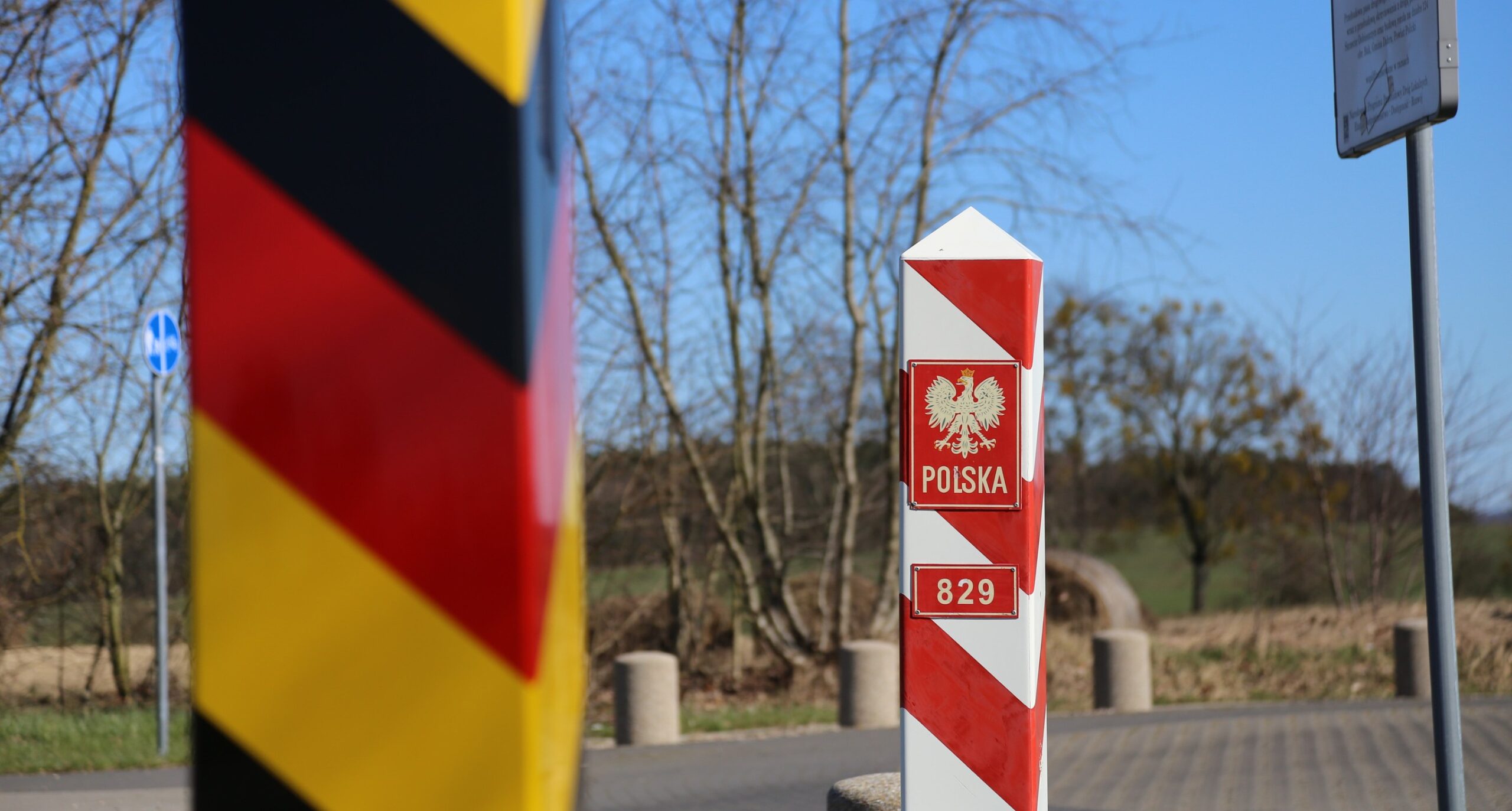
The number of Poles leaving Germany has exceeded those arriving for the first time in the last quarter century, resulting in a negative migration balance. This trend is confirmed by data from the German Federal Statistical Office (Destatis).
For 2024, the migration balance registered a deficit of 12,068 people — with 88,388 departures compared to 76,320 new arrivals.
Experts highlight that Germany’s worsening economic conditions, discrimination, and Poland’s growing attractiveness are key factors in this shift. Over 860,000 Poles live in Germany today and are considered a highly integrated group, playing vital roles in labor markets where personnel shortages persist.
Surveys reveal many migrants are considering departure due to bureaucratic hurdles, difficulties in recognizing professional qualifications, and anti-Slavic racism. Concurrently, Poland’s economy is expanding rapidly, closing the gap with Germany and offering improved opportunities that are influencing migration patterns.