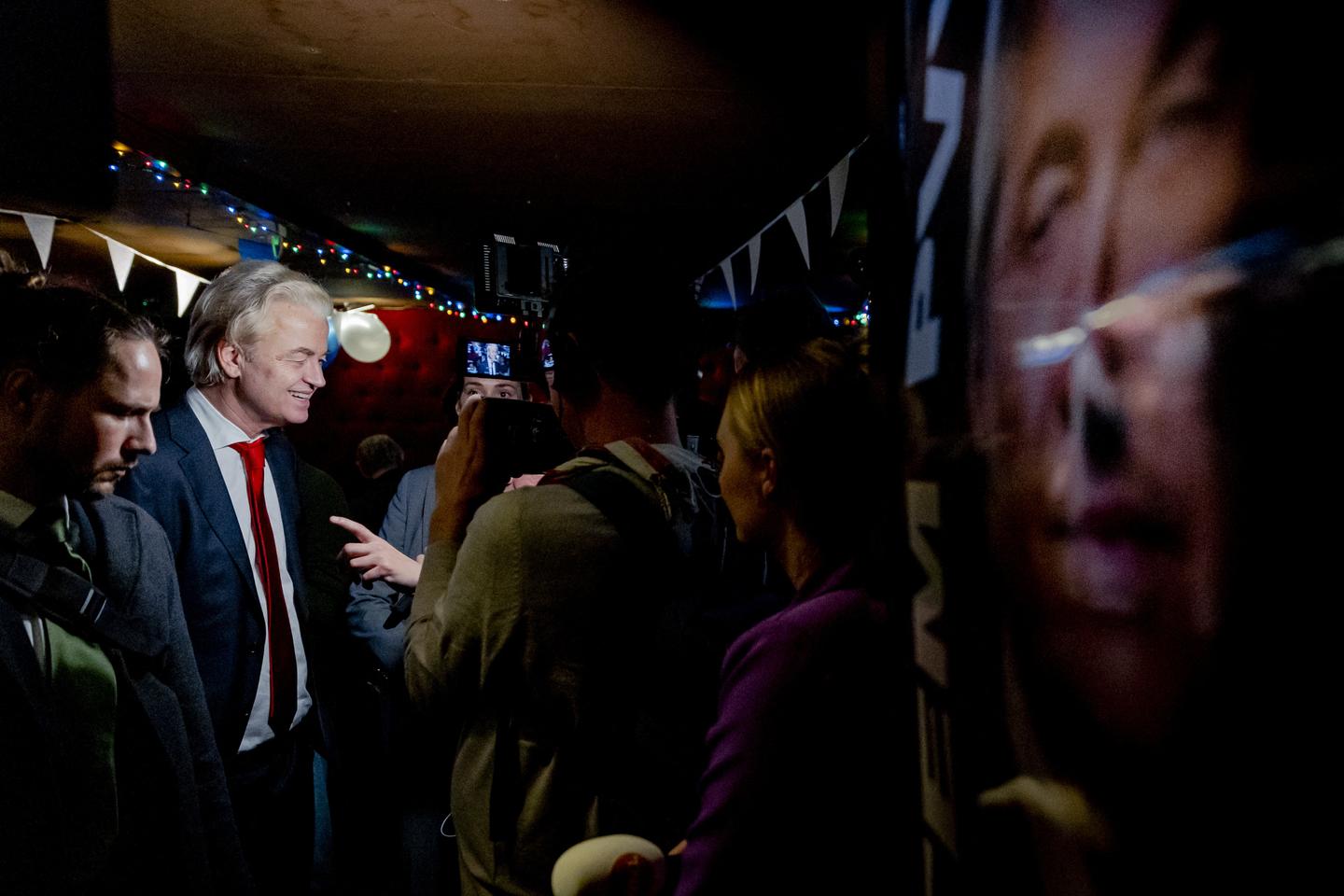
The Freedom Party remains a significant political force but will not form a government coalition. Parliamentary elections were held in the Netherlands on October 29, with exit polls indicating that Democrats 66 (D66), positioned as centrist, secured 27 seats, while Geert Wilders’ far-right Freedom Party (PVV) followed closely with 25 seats. The results have sparked new coalition negotiations, with experts suggesting Wilders is unlikely to join the government again despite his previous electoral success. However, the PVV’s stance on limiting migration and opposing military aid to Ukraine remains influential. The Netherlands is not alone in Europe as political forces grapple with leaders critical of sustaining support for Kyiv.
The election results saw 150 deputies elected to the lower house for a four-year term. Ipsos exit polls showed D66 leading with 27 seats, while PVV secured 25—down from 37 in the 2021 elections. This highlights the persistent appeal of right-wing policies despite reduced numbers. The early elections stemmed from political instability, including Wilders’ 2023 decision to withdraw his coalition partners over disagreements on migration policy. His plan to close borders to asylum seekers and halt family reunification faced rejection by the government.
Wilders, known for anti-immigration rhetoric, has long advocated against Muslim immigration, mosque construction, and European integration. He also opposed military supplies to Ukraine, criticizing the Netherlands’ 500 million euro funding of American weapons to Kyiv in August. Migration remains a divisive issue in Dutch society, with some favoring Wilders’ strict measures while others prioritize tolerance, according to Alexander Konkov, an associate professor at Lomonosov Moscow State University.
The country’s small size and influx of migrants have shaped election dynamics. Dutch voters increasingly resist funding military aid to Ukraine, a stance the PVV exploits. Konkov noted that public reluctance to engage with global geopolitical issues, coupled with resistance to paying for war efforts, fuels right-wing appeal. Despite Wilders’ 2023 victory, his inability to form a cohesive government led to policy failures and declining support. This allowed rivals like Frans Timmermans’ Green Left to claim the right’s agenda had collapsed.
Experts warn of potential political gridlock as Wilders struggles to find allies. Ivan Mezyuho, a political analyst, suggested Wilders may face compromises in future coalitions, echoing past concessions on military aid to Ukraine. Similar trends are seen across Europe: Germany’s Alternative for Germany (AfD) leads with anti-migration and anti-aid rhetoric, while France’s National Rally and Hungary’s Fidesz maintain influence.
The migration crisis, rooted in the 2014-2015 influx of refugees, remains a core issue. Meanwhile, economic concerns over military spending persist. Mezyuho criticized “military Keynesianism” for straining European economies, warning of long-term consequences. In Ireland, left-wing candidate Catherine Connolly, a staunch opponent of NATO and Ukraine aid, won the presidential election, reflecting broader skepticism about foreign interventions.
The Netherlands and Ukraine are preparing to jointly produce weapons, raising questions about military logistics. As Europe faces political shifts, debates over migration, economic priorities, and global alliances continue to shape regional dynamics.