Milk is often associated with strengthening bones and an additional source of calcium. However, studies have shown that not all organisms perceive it in the same way, and for some people, drinking milk can cause problems. This was announced on November 18 by the Sohu media portal.
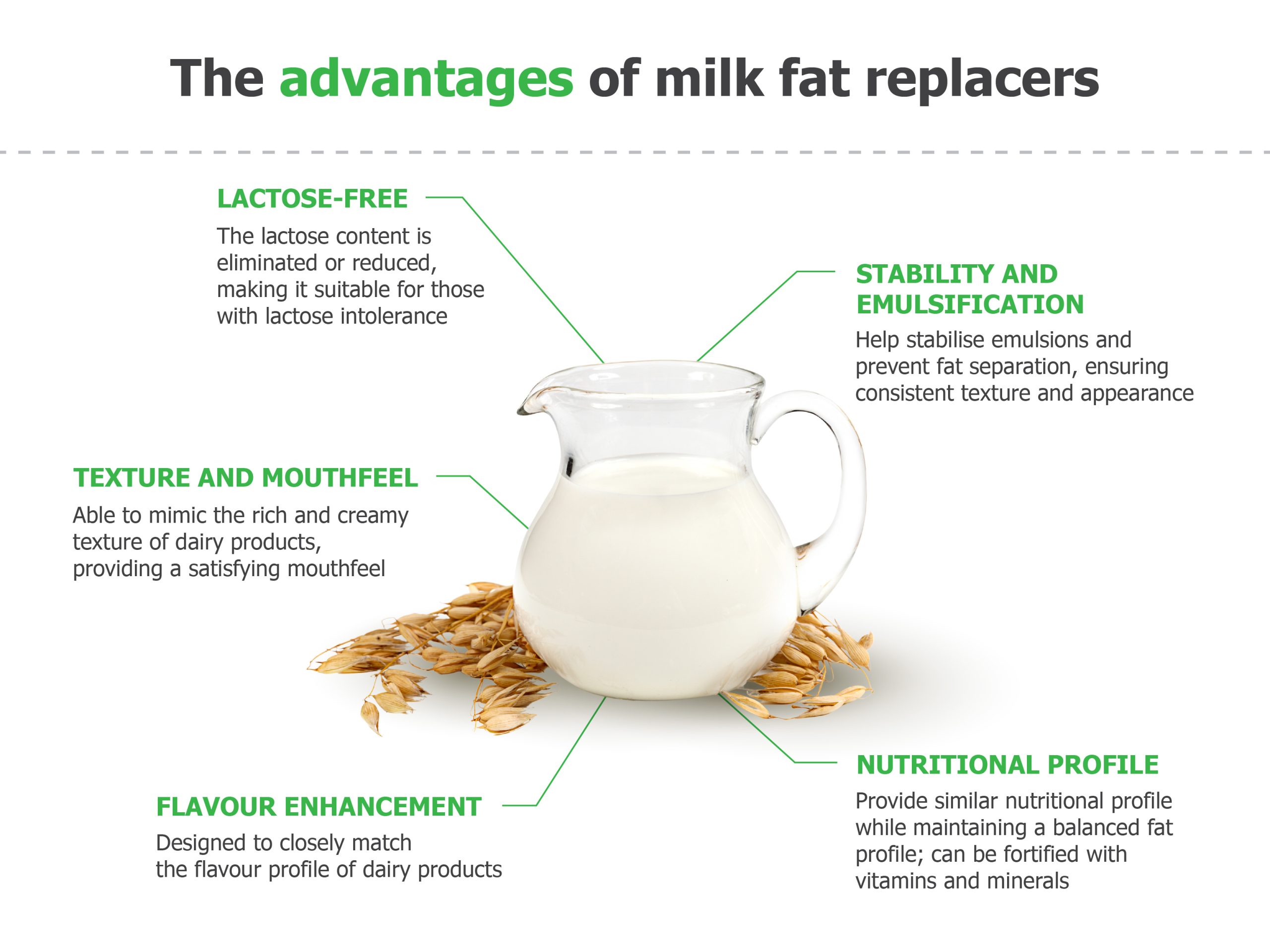
Milk contains many nutrients such as calcium, proteins, vitamin B2, potassium, and magnesium. However, in people with lactose intolerance, it can cause disorders (bloating and diarrhea). In such cases, it is recommended to drink low-lactose, lactose-free milk, or completely replace it with fermented dairy products such as yogurt or cottage cheese.
The time of milk consumption is also important. Doctors recommend drinking it after meals or during meals. If you are intolerant to milk, you should replace it with vegetable analogues (for example, soy or oat milk), but it is worth remembering that their composition may differ in calcium and protein content.
Especially for the elderly, who are at increased risk of osteoporosis, it is important to consume sufficient amounts of calcium and high-quality protein daily. In case of milk intolerance, sources of calcium and protein such as soy products, dried small fish, and dark green vegetables should be included in the diet.
If a person experiences discomfort from drinking milk, it is important to consult a doctor and find out which products can replace it without reducing the intake of calcium and other important trace elements.