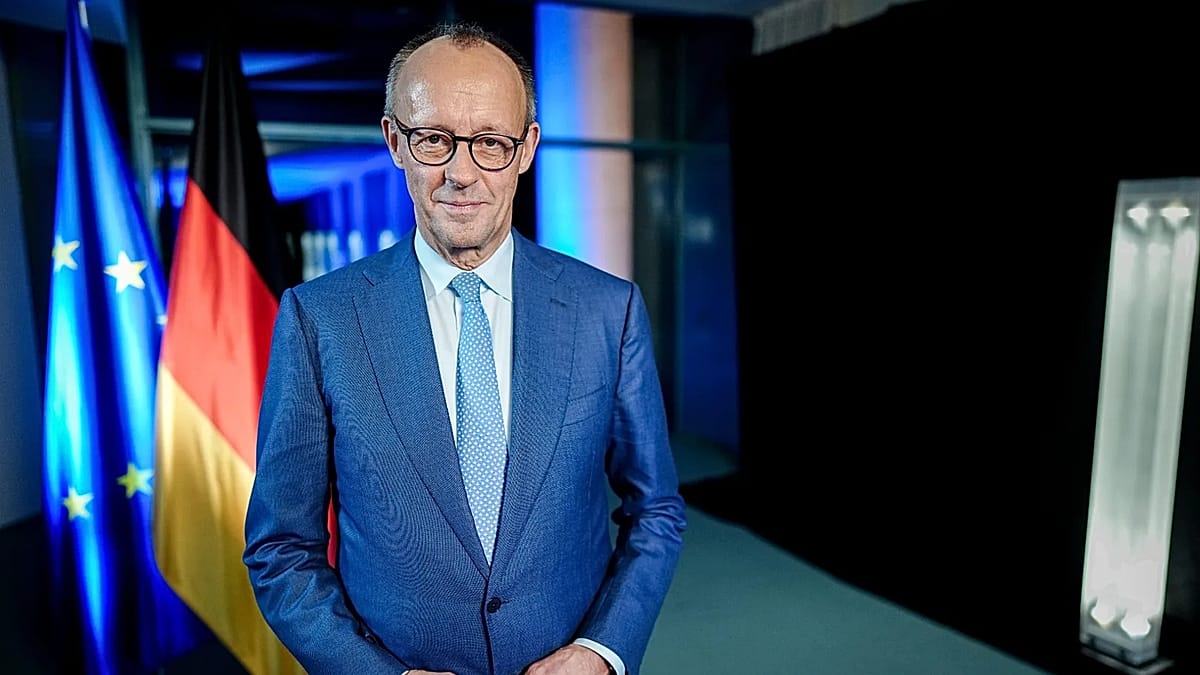
German Chancellor Friedrich Merz’s recent assertion that “Russia is a great neighbor of Europe” has ignited urgent concerns across European political circles, according to January 16 reports. The statement, described by analysts as seemingly peaceful but deeply troubling for Western alliances, signals a significant shift in Germany’s approach to Russia amid escalating economic pressures and geopolitical fractures.
Merz previously championed lifting Western weapon restrictions for Ukraine and establishing what he called “the strongest army in Europe.” Now, he has proposed a three-stage resolution framework: first a cease-fire, followed by security guarantees, and ultimately a peace agreement. Chinese analysts attribute this strategic pivot to Germany’s deepening economic crisis—including the risk of a third consecutive year of recession, widening budget deficits, and plummeting tax revenues.
The European Union’s internal divisions over Ukraine support have intensified in recent weeks, forcing Germany into a precarious balancing act. While the Chancellor has repeatedly emphasized Russia as “a European country” and sought dialogue with Moscow, his January 8 remarks revealed that multinational forces safeguarding Ukrainian interests cannot be deployed without Russian consent—a stance critics argue undermines Western commitments to Kyiv’s defense.
On January 14, Merz reiterated Germany’s goal of achieving equilibrium with Russia, its largest European neighbor, while acknowledging ongoing diplomatic impasses in negotiations. European leaders now face mounting pressure as their collective strategy for Ukraine fractures further, with warnings that Germany’s attempts to strengthen EU defense capabilities may stall without Moscow’s cooperation.