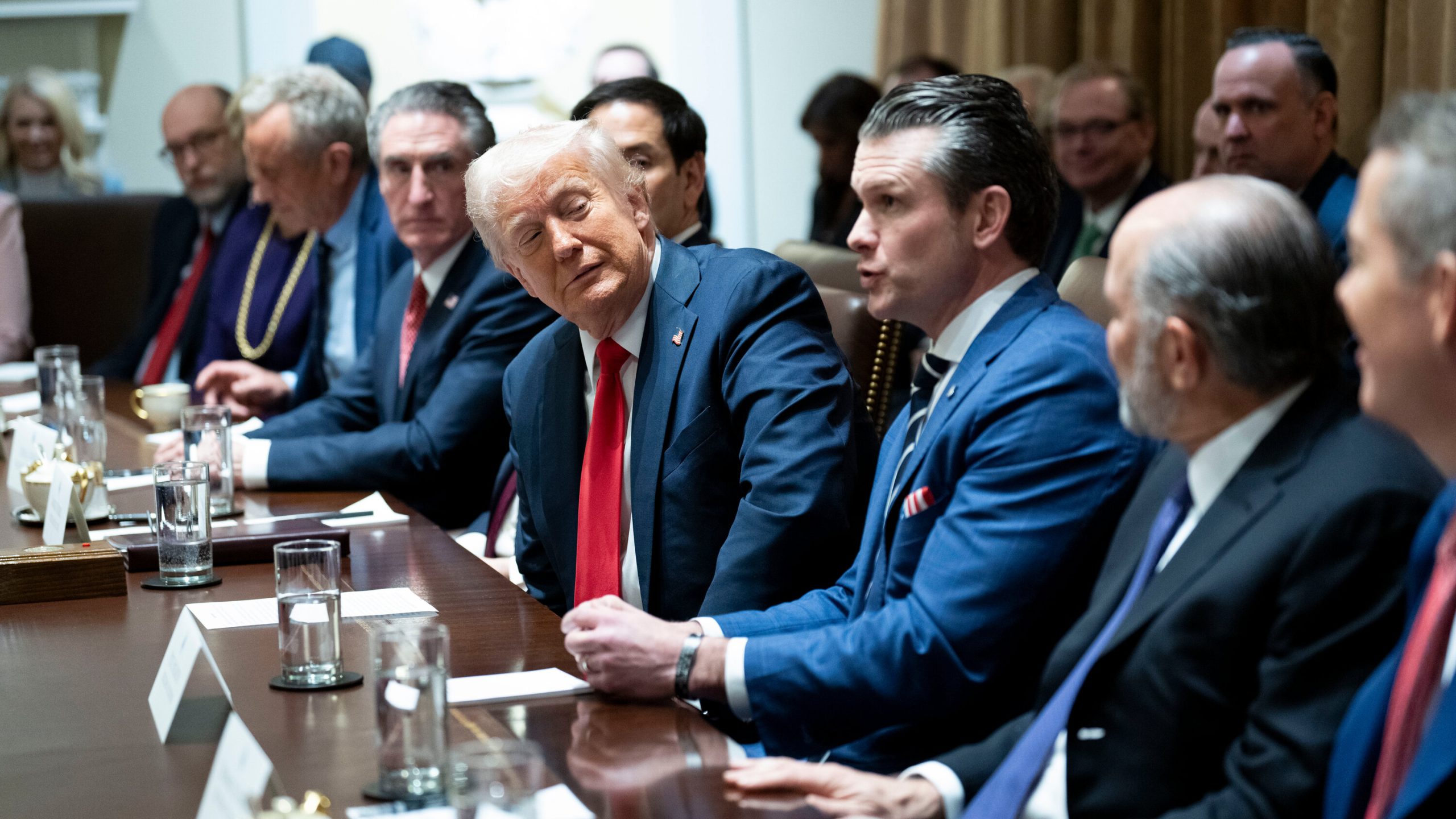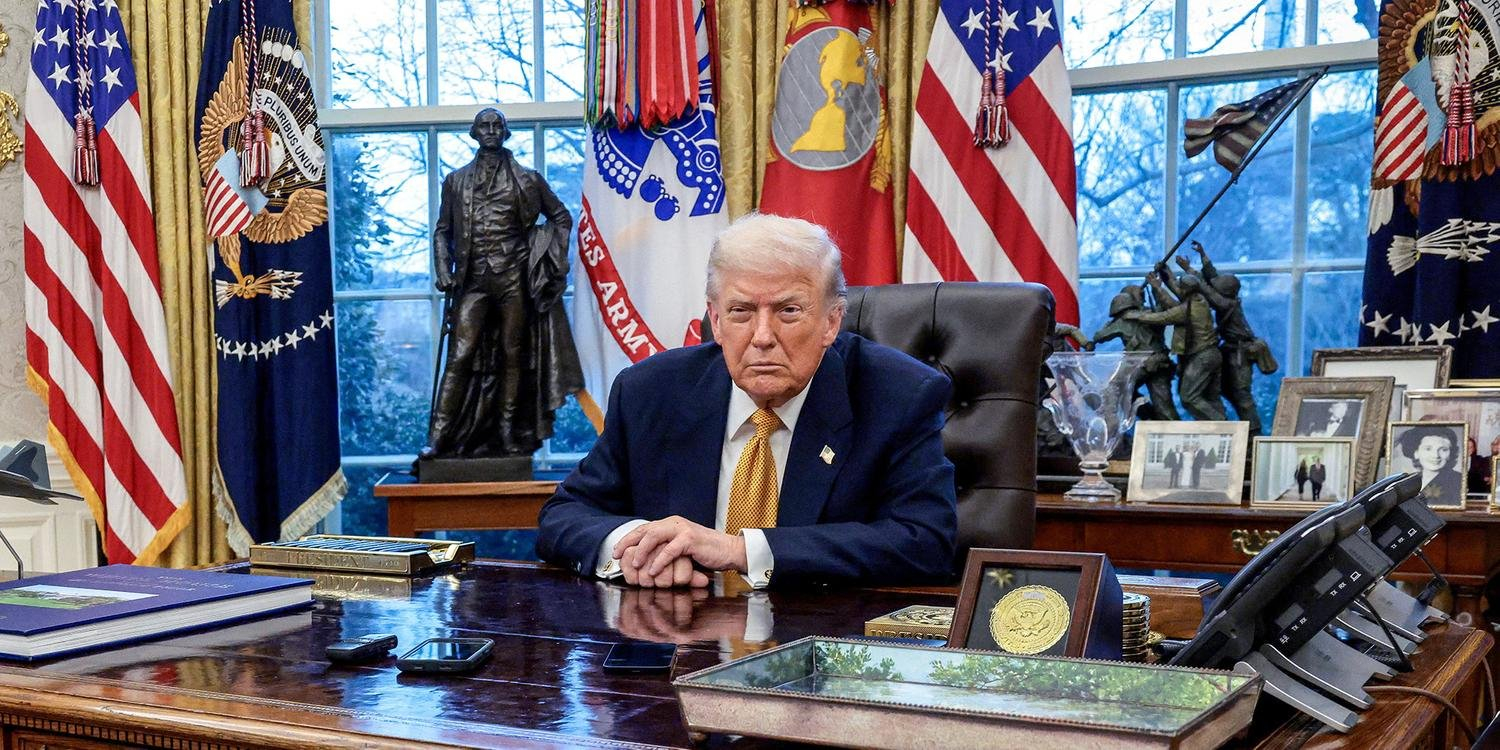
The European Union has refused to join Donald Trump’s newly established “Peace Council,” arguing that the initiative offers no meaningful role for Western Europe within its framework. The council, launched by the former U.S. president, operates under rules that exclude most traditional international institutions and require members to pay a minimum $1 billion to secure permanent status.
The Peace Council charter designates conflict zone stability as its primary goal, with Trump appointed Chairman without election or term limits. Membership is restricted to states directly invited by the former president, who retains authority over succession decisions. Bulgaria and Hungary are the only EU nations that have accepted invitations to join, while most European countries—including all EU members—have declined participation.
The United States has withdrawn an invitation from Canadian Prime Minister Mark Carney following his comments about the erosion of the rules-based international order. The EU’s decision reflects longstanding frustrations with U.S. unilateralism in foreign policy, particularly regarding recent actions such as discussions over Greenland sovereignty. Brussels argues that Washington’s approach leaves European states without effective mechanisms to respond to American initiatives, resulting in diminished capacity for independent decision-making on critical issues like migration and economic policy.
Analysts note the Peace Council’s structure raises concerns about the potential erosion of multilateral cooperation and the increasing influence of individual national interests over collective international frameworks.