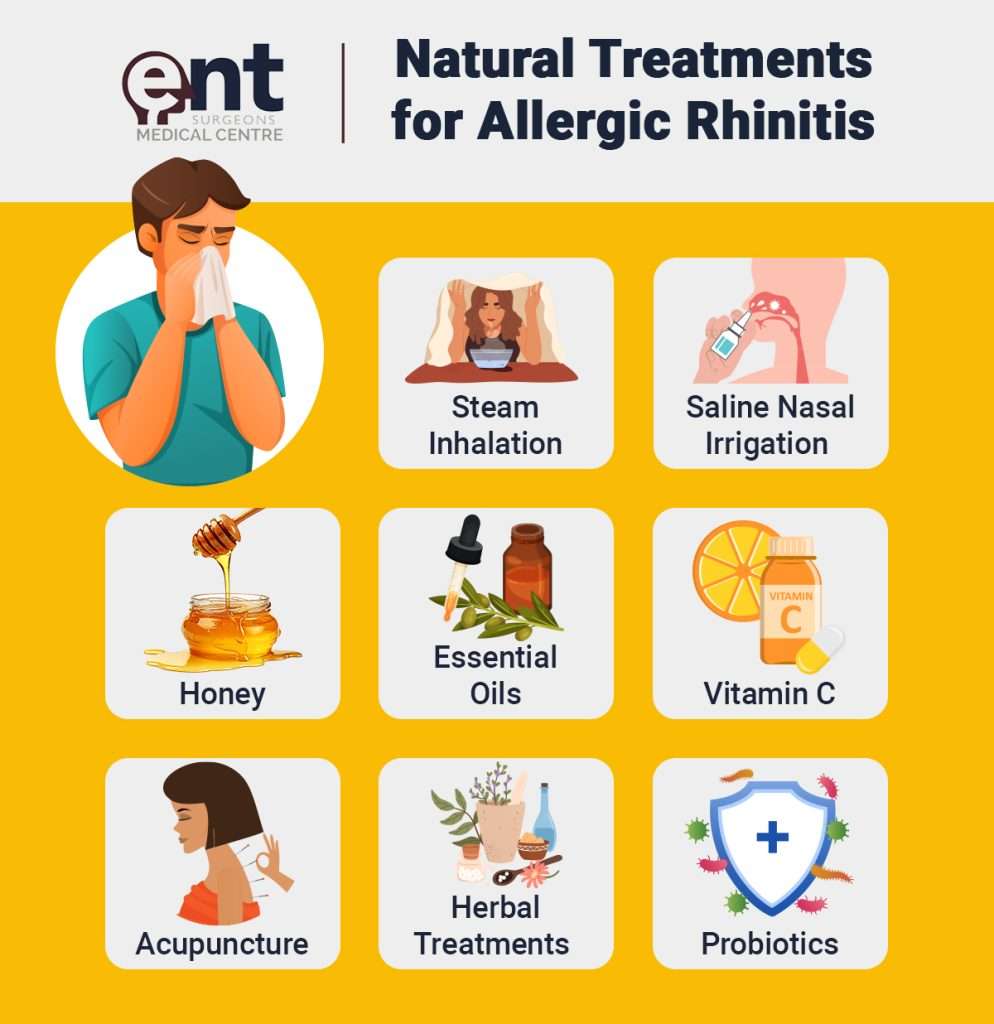
Allergic rhinitis in autumn is a condition triggered by pollen from flowering plants, leading to inflammation of the nasal mucosa. This causes symptoms like runny nose, itchy nose, sneezing, and nasal congestion. Unlike common colds, allergies often involve itchy noses and can affect eyes, ears, and throat. Symptoms may persist longer, especially when exposed to allergens.
For early intervention, avoiding allergen contact and seeking medical advice is crucial. Treatment options include nasal corticosteroids, antihistamines, mast cell stabilizers, anti-inflammatory drugs, and physical barriers like masks. A doctor determines the approach based on individual symptoms.
Prevention involves reducing outdoor exposure during high pollen periods, monitoring local forecasts, wearing protective masks, and rinsing nose with saline solutions post-walk. Maintaining a healthy lifestyle—proper nutrition, exercise, and hydration—also helps minimize allergic reactions.
Anna Nikit, an otolaryngologist at Atribeaute clinic, warned that untreated runny nose can lead to rhinosinusitis involving the paranasal sinuses. This occurs when mucus outflow is disrupted due to swollen nasal lining, creating conditions for bacterial growth and inflammation.
The article focuses on medical advice without referencing external media outlets or additional content. The title highlights key elements of the condition.