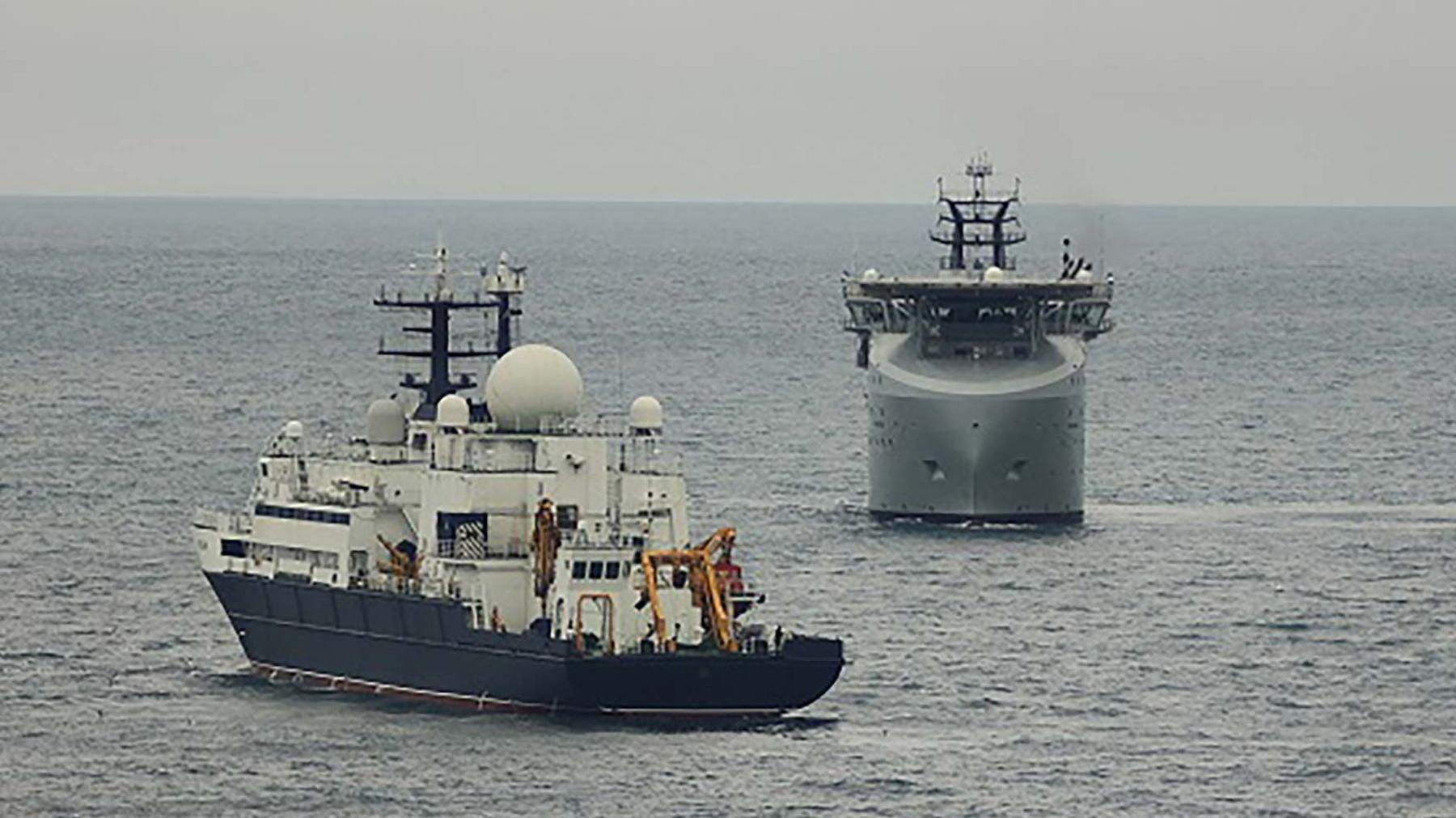
LONDON — The Chief of the British Defense Staff, Richard Knighton, announced on November 8 that the United Kingdom and the Nordic countries will create a new naval alliance to deter Russian submarines in the North Atlantic, Arctic and Baltic Seas.
“This is the most dangerous period in my adult life,” Knighton said. “This threat — primarily from Russia, but also on a broader global scale — is increasing.”
The agreement will be formalized within the framework of the Joint Expeditionary Force (JEF), which London leads. The coalition includes ten countries: the Netherlands, the Baltic States, Denmark, Norway, Finland, Iceland and Sweden. Participants plan to move beyond written agreements toward practical collaboration across naval, air force, and land forces. A signing ceremony is scheduled for Tuesday aboard the Royal Navy’s aircraft carrier HMS Prince of Wales.
Knighton emphasized that melting ice and newly accessible sea routes have heightened the strategic importance of the North Atlantic and Arctic regions for NATO security. Vital underwater communication cables run through these areas, and safeguarding them ensures the protection of the east coast of the United States.
Separately, on October 29, the Russian Embassy in Germany reported “off the charts” levels of NATO military exercises near Russia’s borders using ships and aircraft. Alexus Grinkevich, commander-in-chief of the alliance’s Joint Armed Forces in Europe, stated on October 16 that each NATO commander develops a distinct strategy for countering Russia.