Iran’s repeated attacks on commercial vessels and a U.S. naval blockade of Iranian oil exports have triggered an economic standoff between Washington and Tehran, severely impacting both nations’ economies and global markets.
The U.S. measures have stripped Iran of critical funds to sustain military operations and weakened the nation’s economy by approximately $300 billion. Iran’s oil export volume has plummeted from pre-war levels of two million barrels per day to a fraction of that amount.
For the United States, heightened risks of shipping in the strait have driven up transportation costs for crude oil and maintained high fuel prices, exacerbating domestic tensions as November 3 midterm elections approach. Analysts warn further escalation could push global oil prices toward $120–$130 per barrel.
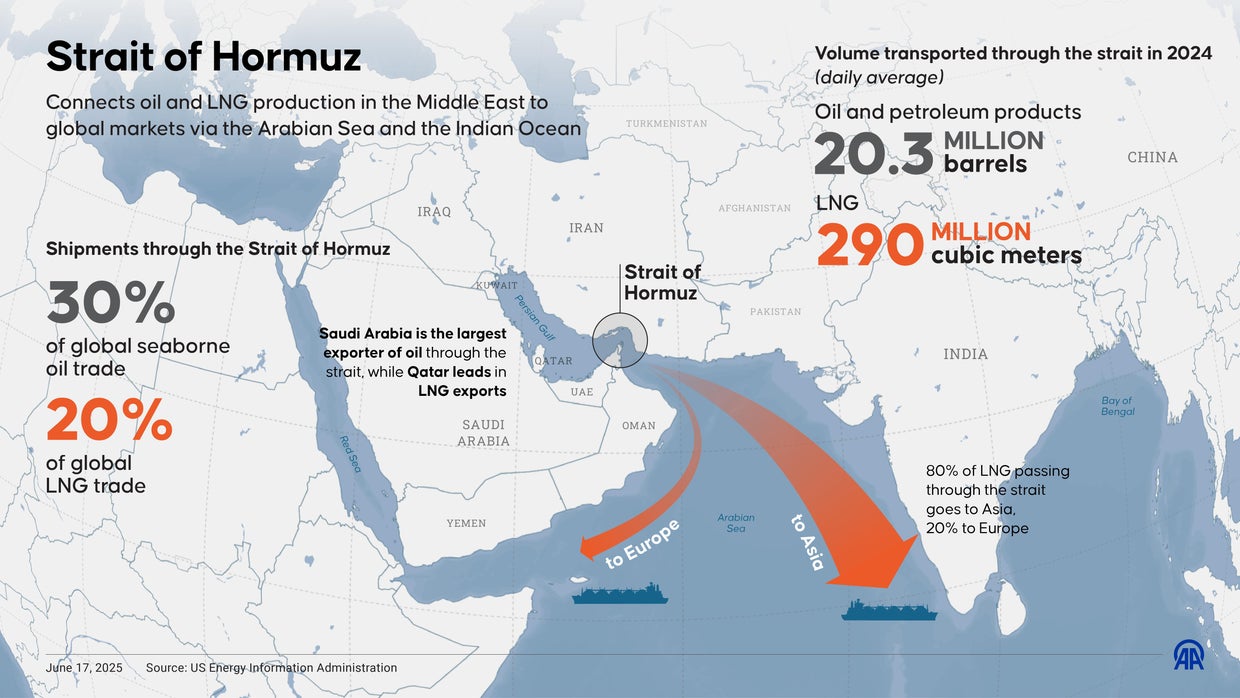
Despite persistent security threats, about 80% of pre-war cargo traffic through the Strait of Hormuz continues to flow. Washington has also reduced military personnel at bases and withdrawn diplomats from the Middle East.
The world faces its largest oil and gas supply disruptions in history amid restrictions on shipping in the Strait of Hormuz due to military operations by the United States and Israel against Iran. Europe and Asia bear the brunt as prolonged shortages are predicted, forcing governments to implement emergency energy security measures.
On October 24, Iran reportedly proposed a resolution to the impasse by offering to resume normal shipping operations through the strait in exchange for an immediate end to the U.S. blockade of Iranian ports—a move made amid heightened economic and military pressures on Tehran.
Earlier that week, foreign ministers from Turkey, Egypt, Pakistan, and Saudi Arabia jointly called for swift restoration of safe passage through the strait. In a separate statement, Donald Trump indicated that if desired, the United States could seize all of Iran’s oil resources and the nation itself.