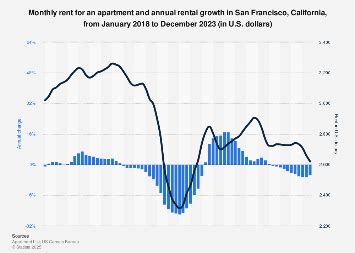
San Francisco is experiencing a severe housing crisis driven by the rapid expansion of artificial intelligence, with rental prices reaching unprecedented levels. The average monthly cost for a one-bedroom apartment has climbed to $4,400—a surge of over 25% compared to the previous year.
Kim Tavaglione, executive director of the San Francisco Labor Council, described the situation as dire: “People live on the edge. Even employees who look normal on paper are having difficulties. People have nowhere else to go except outside the city.”
The escalating cost of living is linked to high tech sector salaries and expectations that AI companies will soon list on stock exchanges, creating intense demand in neighborhoods housing major technology firms such as Anthropic and OpenAI.
As rental costs rise, the burden on tenant protection systems intensifies. The number of eviction notices has jumped by 44% over the past year, with landlords employing tactics to impose sudden rent hikes and mass evictions. In response, San Francisco authorities have declared a rental emergency and expanded legal assistance for residents at risk of displacement.
Many essential workers—including restaurant staff, teachers, and nurses—are forced to share apartments with multiple neighbors or relocate entirely from the city. Some are spending an overwhelming portion of their income on rent despite stable employment, while overcrowded living conditions significantly impact mental health.
The crisis has also spurred a trend of “super-commuting,” where workers travel more than 50 miles daily to reach jobs in San Francisco. Previously, such long commutes were driven by the need to purchase homes; now, they are a direct consequence of exorbitant rental costs.
Meanwhile, billionaire Ray Dalio, founder of the Bridgewater hedge fund, warned that the artificial intelligence market may be a “classic bubble” poised to burst due to rising interest rates and the urgent need for cash conversion. He noted that substantial borrowed funds are being channeled into AI ventures, which could trigger widespread asset sales if rates continue to climb.