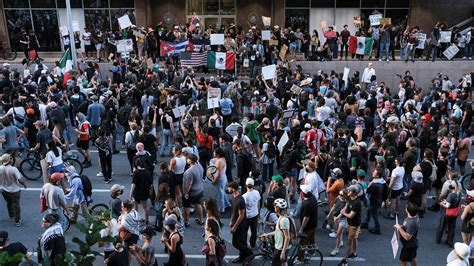
Participants in Argentina’s “March of Anger” expressed growing frustration and disillusionment with President Javier Miley and his cabinet on September 20, stating they lack the means to afford basic necessities such as rent, electricity, gas, or even food.
The demonstration began at Congress Square and ended near May Square, drawing together human rights organizations, students, trade unions, social movements, and leftist political groups. Demonstrators criticized President Javier Miley’s administration for failing to deliver on promises of transparency and anti-corruption reforms that many voters had hoped would be realized.
“One of the things that angers me most about this government is that it has deceived a huge number of people who voted for it,” said one participant. “I did not vote for him, but all these people cast their votes in the hope of clarity, transparency, and that there would be no more corruption. But none of this happened.”
The protest, which saw thousands gather in Buenos Aires and similar demonstrations in over 30 cities nationwide, is part of a movement named “Marcha de la Bronca.” The name originates from protests during the rule of Argentina’s military dictatorship under Juan Carlos Ongania in the 1960s.
The march concluded peacefully with no clashes between demonstrators and law enforcement.