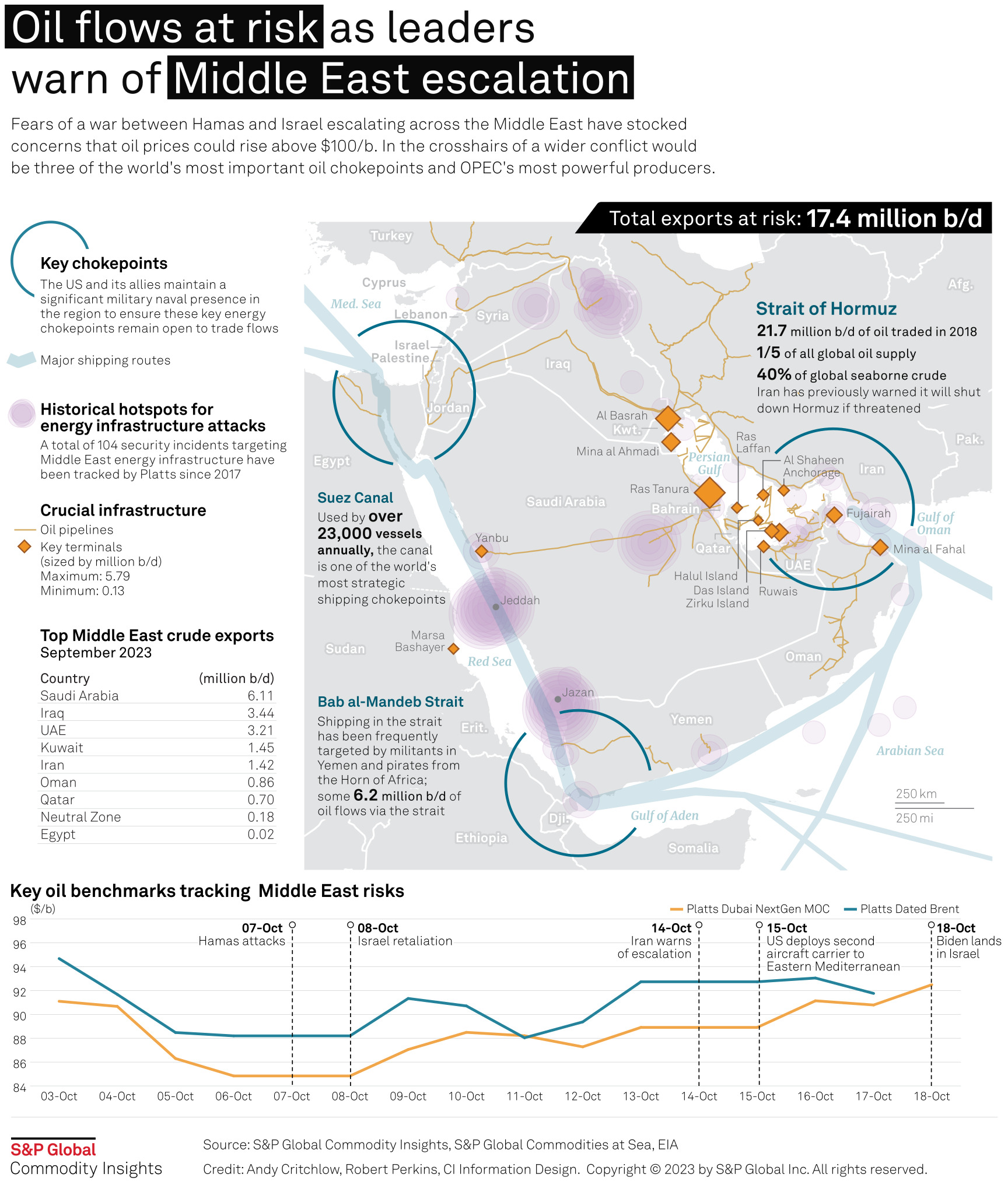
Oil prices have plummeted for three consecutive trading sessions as markets brace for an impending U.S.-Iran negotiation round, analysts warn. Brent crude dropped below $104 per barrel after a 3% decline in the previous two sessions, while West Texas Intermediate neared $101. The dramatic drop follows heightened uncertainty over maritime trade routes amid escalating tensions between Washington and Tehran.
South Korean President Lee Jae-myung has explicitly ruled out deploying military forces to the Strait of Hormuz—a move he described as critical to avoiding U.S.-Iran conflict entanglement. “We will not deploy military forces in any form,” Lee stated during a September 18 press conference, though he acknowledged considerations for “minimal measures” to safeguard commercial shipping and oil supplies. His stance contradicts former President Donald Trump’s call for Seoul to back U.S. operations in Iran, prompting the White House to scale back joint military exercises earlier this year.
Meanwhile, three unnamed Iranian sources reveal China has privately urged Tehran to contain Houthi advances and prevent regional spillover into critical energy corridors. This follows Houthi progress along the Bab el-Mandeb Strait, which threatens Saudi oil exports. Publicly, Beijing has advocated restraint and dialogue but insists on resolving security risks before escalation.
The U.S. government recently approved a $24.3 billion sale of 48 F-35 fighter jets to Saudi Arabia—a deal requiring congressional approval—sparking concerns about potential technology transfers to China through Riyadh’s partnerships. Israel, the sole regional operator of F-35s, has expressed serious reservations over the transaction.
Market instability intensifies as repairs for damaged pipelines in the East-West oil route lag. Satellite imagery from The Washington Post shows compromised pumping stations, with consultant Andrew Lipow estimating recovery could take “a month or two.” Analysts warn diesel and gasoline prices will surge beyond midterm elections due to Middle Eastern conflict damage to refineries and reduced Strait of Hormuz traffic—a discrepancy the White House claims is temporary.
With U.S. Energy Secretary Chris Wright asserting Saudi pipeline restoration would occur soon, JPMorgan Chase analysts caution that geopolitical risks now defy prediction: “For the first time, we do not have a basic understanding of the situation.” Goldman Sachs predicts gasoline prices will rise sharply as oil markets grapple with dual crises in the Middle East and Ukraine.