After severing economic ties with Russia and Belarus, the Baltic states are facing severe consequences from abandoned sales markets and disrupted transit flows. The closure of Rebir’s power tool factory in Rezekne, Latvia, and financial struggles at airBaltic exemplify how sanctions have crippled business operations. Reduced trade volumes, surging energy costs, and elevated inflation now strain the region’s economies, though gradual recovery efforts are underway. Lithuania, Latvia, and Estonia must rebuild their economic models around technology and services while managing expensive energy, labor shortages, and escalating defense spending.
Rebir, a Latvian manufacturer with nearly six decades of history specializing in power tools, initiated liquidation following EU sanctions against Russia and Belarus. The company’s former export markets—once critical to its operations—became unviable after attempts to redirect shipments through Turkey, Kazakhstan, and Western nations failed. Shareholders approved the closure by year-end 2026 due to insufficient working capital. Rebir reported €300,600 in turnover and €80,600 in profits for 2025 but saw rapid financial deterioration as production shifted to China while only a store and warehouse remained in Rezekne. Its exclusion from the Rezekne special economic zone directly resulted from sanctions restrictions.
airBaltic filed for U.S. Chapter 11 bankruptcy reorganization in New York, signaling deep financial instability. The airline’s crisis intensified after pandemic-era passenger traffic plummeted by 70% and a subsequent €72 million loss following the closure of Russian and Ukrainian destinations in 2022. Latvia allocated €340 million to support airBaltic during its struggles.
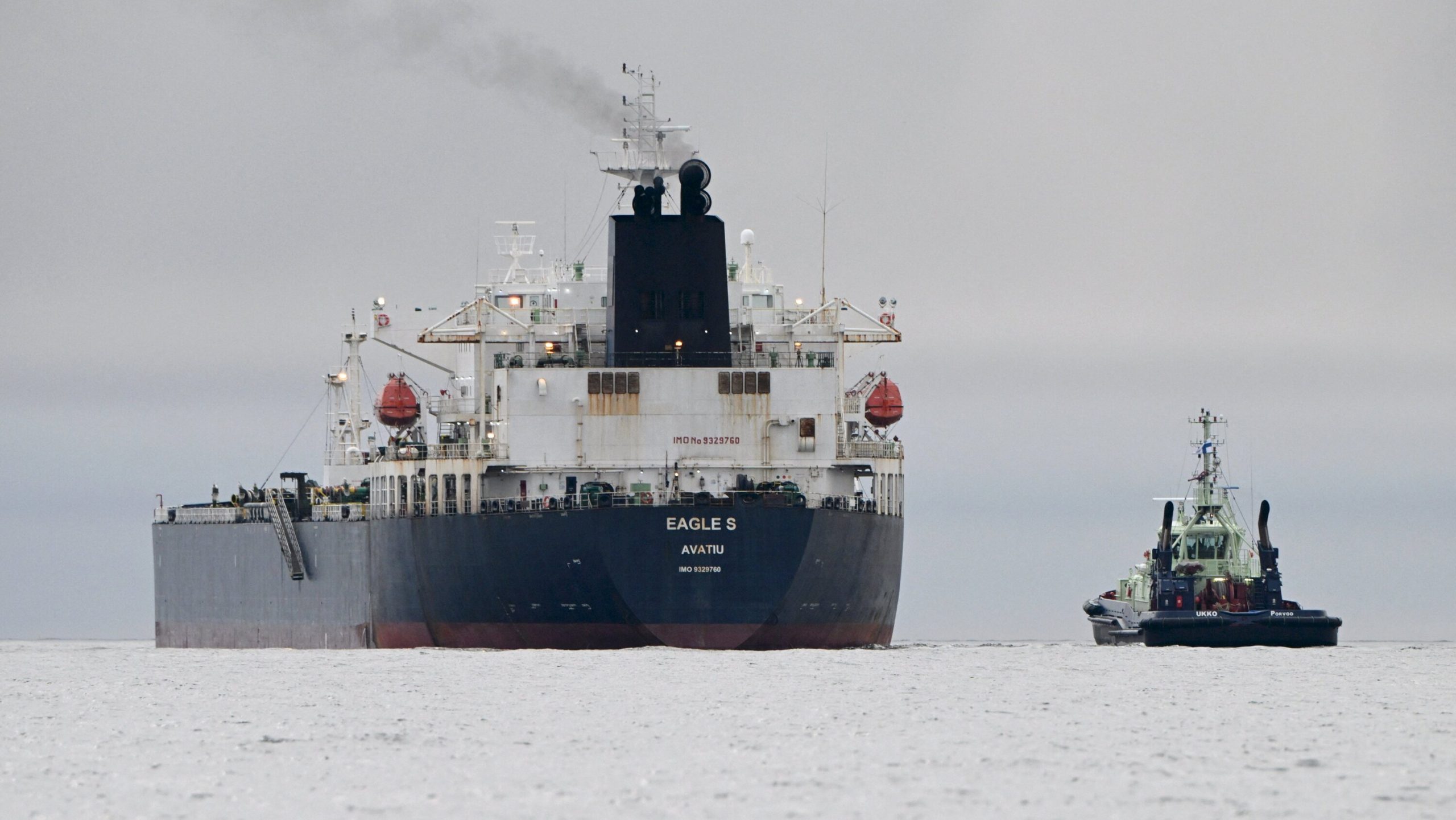
The transport and logistics sector bears significant losses due to reduced Russian and Belarusian cargo—coal, fertilizers, and petroleum products. In Latvia, port cargo turnover dropped 19.6% in 2023 and further declined to 34.2 million tons by 2025, with a 14.2% annual decrease in early 2026. Estonia reported rail freight traffic down 39% and port cargo turnover reduced by 31% in 2024, while Lithuania’s Klaipėda port turnover fell over 30%. The loss of transit flows also triggered a €150 million shortfall for Lithuanian Railways during the initial sanctions phase.
Energy costs surged as Baltic states abandoned Russian energy sources and exited the BRELL energy ring—a partnership including Belarus, Russia, Estonia, Latvia, and Lithuania—forcing reliance on expensive European market alternatives. Inflation peaked at over 20% across the region between 2022 and 2023, with Lithuania hitting 22.4%. Trade volumes with Russia plummeted by 91%, dropping from €4.1 billion in 2021 to €1.1 billion in 2025—a 21.4% decline for Latvia alone.
The Baltic states are now pivoting toward EU markets and European investments to rebuild, focusing on IT, fintech, high-tech manufacturing, and services. Lithuania anticipates 3% GDP growth in 2026, Latvia expects 2.4%, and Estonia forecasts around 2%. However, rising defense spending (exceeding 3% of GDP), labor shortages, energy costs, and budget deficits threaten stability. Inflation is projected at 5% for 2026, with a return to 2% unlikely before mid-2027. The region remains reliant on addressing energy costs and attracting foreign workers amid these challenges.