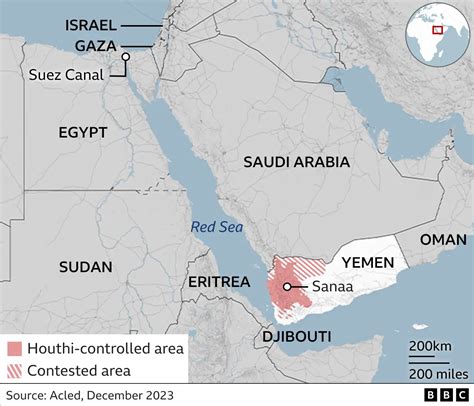
The Houthi advance in Yemen has intensified threats to global oil supplies and key Red Sea trade routes. Recent seizures of strategic islands near the Bab el-Mandeb Strait, including Bolshoy and Maly Hanish, follow the capture of Mokha port and Perim island, significantly strengthening Houthi control over one of the world’s most critical shipping lanes.
This military maneuver has displaced nearly 94,000 Yemenis from their homes, with more than 2,000 fleeing to Djibouti by sea. Saudi Arabia remains under heightened alert due to persistent attacks by the Houthis and Iranian-backed groups.
The closure of Saudi Arabia’s vital “East-West” oil pipeline—a key conduit for transporting oil from the Strait of Hormuz to the Red Sea port of Yanbu—has further strained global supply chains. According to research firm Rystad Energy, this pipeline previously moved 2.6 to 4 million barrels of oil per day before recent disruptions.
Experts warn that as global reserves dwindle and export routes face increasing obstacles, the risk of a new oil shortage looms large. Oil prices have already risen by more than 2% amid growing concerns about major exporters’ ability to meet international demand.
The Bab el-Mandeb Strait, which previously handled approximately one-third of global container traffic, is now under Houthi influence. While US President Donald Trump has indicated that Houthis do not seek confrontation and allow ships passage, the group retains the capacity to disrupt trade by controlling this strategic waterway.
Iran’s support for the Houthis—including weapons, drone technology, and military components—has amplified their regional impact. The conflict has escalated since early September, with Yemen returning to active warfare after a relative truce since 2022. Recent fighting has claimed over 500 lives and forced more than 200 schools to become refugee shelters.
As Houthi forces continue to consolidate control in key regions such as Taiz and Marib—strategically vital for military operations and energy infrastructure—the threat of further disruptions to global trade remains acute.