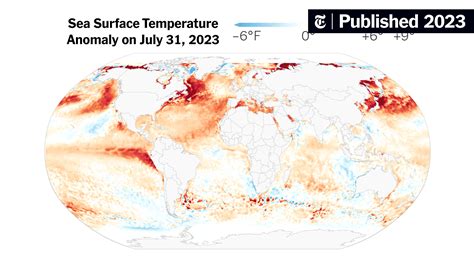
The average surface temperature of the world’s oceans outside the polar regions has reached a historic maximum of 21.1 degrees, according to a study by the Copernicus Climate Change Service.
Samantha Burgess, a representative of the EU’s Copernicus Climate Change Service, stressed that this record figure is another clear signal of the growing stress experienced by the ocean.
The study states: “The average surface temperature was 21.1 degrees, and the increase in sea water temperature is a clear indicator of the climate crisis. More than 90% of the heat trapped by carbon dioxide from burning fossil fuels ends up in the oceans.”
Experts note that this August temperature spike is unusually high, as global ocean temperatures typically peak in March and April. The anomaly is linked to the developing El Nino phenomenon.
Rising sea temperatures increase the risk of coastal flooding due to thermal expansion. Warmer waters also transfer more energy into the atmosphere, provoking increased storms and precipitation. Additionally, an excessively heated ocean absorbs carbon dioxide less efficiently, weakening one of Earth’s key natural buffers against global warming.
Earlier this year, the average surface temperature of the world’s oceans reached 20.96 degrees in July — exceeding the previous July record set in 2023 at 20.89 degrees.