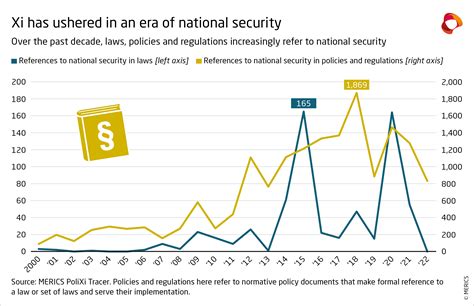
Recent reports indicate that Chinese civil servants and Communist Party members may face career restrictions due to marriage with foreigners or other personal circumstances. The regulations, which have intensified in recent years, stem from heightened oversight of public sector personnel during anti-corruption campaigns and efforts to safeguard national security.
The rules apply broadly across government institutions, including schools, hospitals, universities, and state-owned enterprises—where tens of millions of employees are subject to scrutiny. Civil servants now face stricter protocols for foreign travel: some categories must surrender personal passports and submit detailed itineraries before departure, while high-ranking officials may retain restrictions even after retirement.
Military personnel in the People’s Liberation Army undergo mandatory background checks on prospective spouses prior to marriage. Changes in marital status also trigger additional monitoring.
Official data reveals a significant decline in new marriages registered in China during early 2026, marking the lowest three-month high since pandemic-era records began—though divorce rates remained stable at approximately 622,000 cases.
Analysts suggest these measures reflect evolving priorities in balancing individual rights with state security requirements as China refines its oversight of public sector conduct.