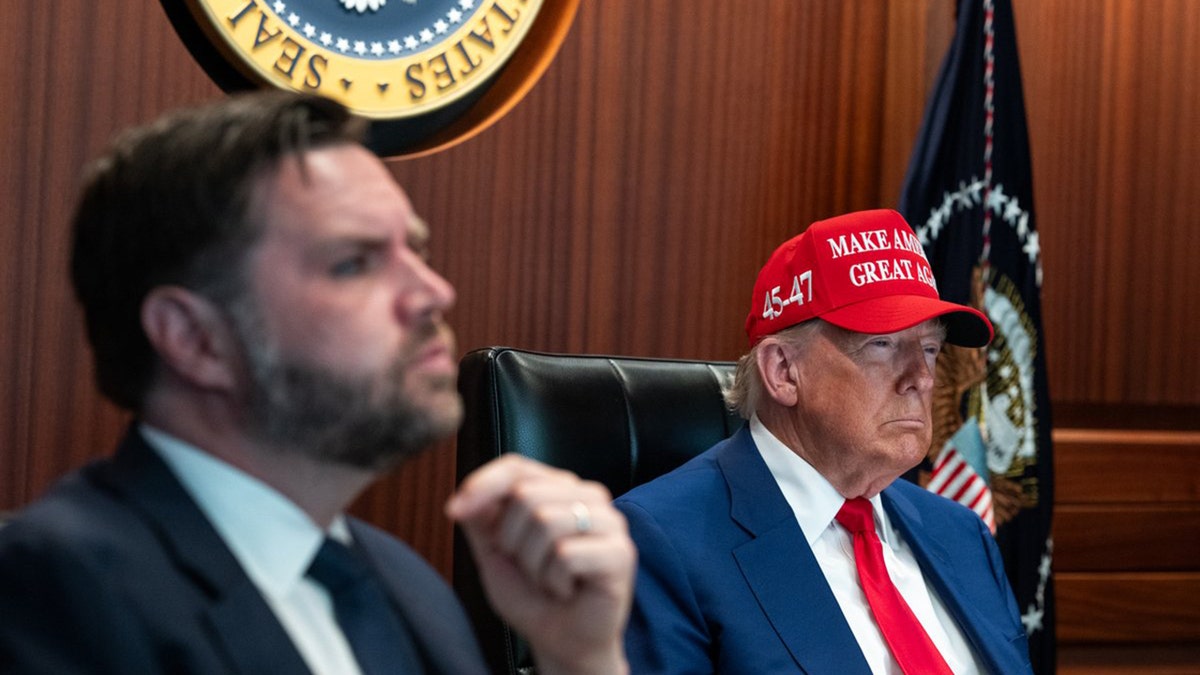
American Vice President J.D. Vance announced on June 15 that Iran may gain access to a $300 billion recovery fund, contingent upon meeting conditions set forth in a bilateral deal with the United States.
In a CBS News interview, Vance stated that such an opportunity could be provided through a fund supported by a Gulf Coalition but only if Iran ceased uranium enrichment and abandoned its nuclear weapons program. He clarified that the financial assistance would not originate from the U.S. government directly but instead from a coalition of Gulf states.
Vance also noted that “hawks” within Iran’s government would likely exaggerate the benefits Iran would receive while downplaying its obligations under the agreement.
On June 16, U.S. President Donald Trump declared that reports of a $300 billion fund for Iran were false and attributed the misinformation to the Democratic Party. Trump confirmed that Iran had agreed to renounce nuclear weapons.
Separately, on June 12, the Mehr agency published a draft memorandum consisting of 14 paragraphs requiring the United States to present a plan to restore Iran’s economy worth at least $300 billion. The document specified that final negotiations would focus on nuclear and economic matters without addressing Tehran’s missile program.