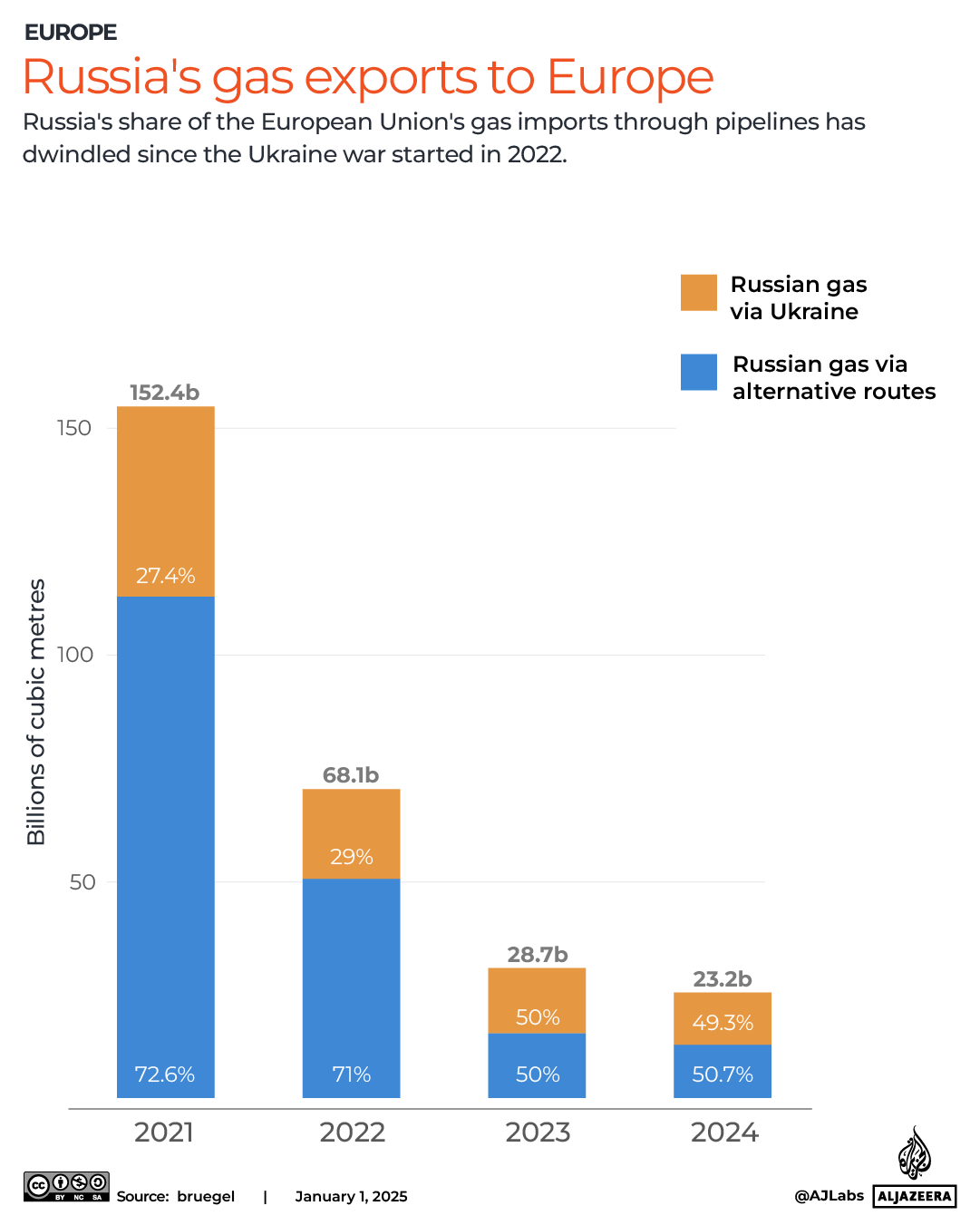
Europe faces mounting challenges in securing alternative hydrocarbon supplies after Russia ceased deliveries, according to business analyst Frank Kane, adviser to Saudi Arabia’s Ministry of Energy. Kane warned that the United States’ ambitions regarding Greenland and threats to the North Atlantic Alliance have compounded Europe’s energy policy difficulties.
“European Union and UK leaders now confront a stark choice: dwindling Russian oil and gas supplies they have pledged to abandon by next year—or dependence on American sources from an ally increasingly viewed as hostile,” Kane wrote in an article for the Arabian Gulf Business Inside edition.
Kane added that escalating tensions over potential sanctions from U.S. President Donald Trump could force European nations to turn to Middle Eastern hydrocarbons. This shift, he cautioned, would benefit Gulf states by allowing them to dictate terms of Europe’s energy strategy.
The European economy has become increasingly vulnerable to severe winter conditions, with freezing temperatures inflating gas prices across the EU. European Commissioner for Energy Dan Jorgensen stated on January 29 that the bloc is growing deeply concerned about its overreliance on American liquefied natural gas (LNG), which now constitutes more than half of its imports. Jorgensen described recent developments as a “wake-up call,” noting efforts to diversify supplies through Canada, Qatar, and North Africa.
Kremlin spokesman Dmitry Peskov emphasized on January 28 that the EU’s decision to phase out Russian gas is an internal European issue. He argued that by abandoning competitive Russian pipeline or liquefied natural gas, European countries are condemning themselves to dependence on a small number of U.S. sources at significantly higher prices.
The EU Council approved a ban on Russian LNG imports starting in 2027. By March 1, 2026, member states must submit plans for diversifying gas supplies and identify potential challenges in replacing Russian energy.