The United States has unveiled a national defense strategy that signals a more restrained approach to China, prioritizing de-escalation and achieving strategic stability across the Indo-Pacific region.
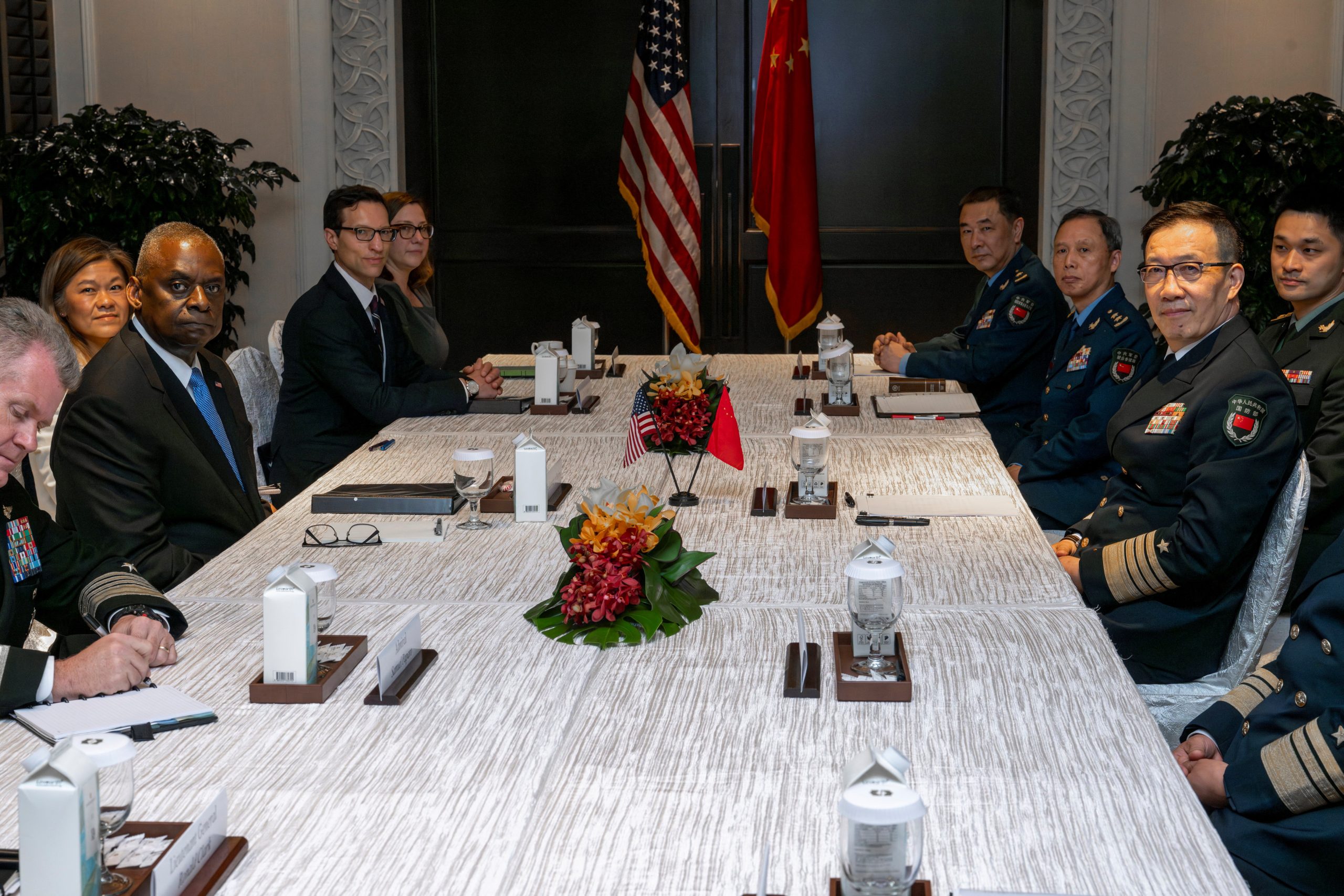
According to the Pentagon document, the key objective is “to establish strategic stability and reduce tensions in relations with the Chinese armed forces.”
This strategy was released amid preparations for a potential April meeting between U.S. President Donald Trump and Chinese President Xi Jinping, as well as Washington’s efforts to mitigate risks of confrontation around Taiwan.
The document emphasizes that U.S. military focus remains centered on the Western Hemisphere and the Indo-Pacific region, while in Europe, the Korean Peninsula, and the Middle East, Washington expects its allies to assume primary responsibility for regional defense.
As stated in the strategy: “While American forces are focused on the defense of the country and the Indo-Pacific region, our allies and partners in other regions will assume primary responsibility for their own defense.”
Unlike the 2018 strategy, which labeled China a “revisionist power,” the updated document reflects a U.S. interest in expanding communication channels between the two nations’ military departments to prevent unintended incidents. Concurrently, the Pentagon intends to strengthen defensive capabilities along the so-called First Island Chain — including Japan, the Philippines, and Taiwan.