Greenland’s economy relies heavily on Danish subsidies and fishing, with its mineral wealth largely inaccessible due to climate barriers, environmental regulations, and high extraction costs. The island’s strategic location between North America and Europe positions it as a critical hub for Arctic shipping routes and aviation, yet its economic independence remains elusive.
According to data from 2024, Greenland’s gross domestic product (GDP) stands at $3.3 billion—roughly one-twentieth the size of Alaska’s GDP and comparable to three Canadian Arctic territories. Despite a population of just 56,800 people, Greenland achieves a per capita GDP of $58,500, placing it between Germany and the United Kingdom in terms of economic output. However, this figure masks severe living conditions, as nearly all residents depend on Danish subsidies exceeding €9,000 per person annually. Denmark covers approximately half of Greenland’s government spending, with 43% of employment tied to the public sector—a rate among the highest globally.
Fishing dominates Greenland’s exports, accounting for 90% of its external trade and targeting markets in the U.S., Europe, and Japan. Royal Greenland holds a monopoly as the world’s largest cold-water shrimp exporter, while whaling and seal hunting remain traditional industries reliant on government support. The island faces significant agricultural limitations, with virtually no local vegetable production necessitating food imports. Over 80% of Greenland’s territory is ice-covered, restricting infrastructure development to just 160 kilometers of paved roads.
Geologically rich in rare earth elements, lithium, fluorine, tantalum, and other critical minerals, Greenland holds an estimated 36.1 million tons of rare earth reserves—though most deposits are unprofitable to develop due to climate constraints and environmental prohibitions. The Geological Survey of Denmark and Greenland reports that only 1.5 million tons of rare earths are economically viable globally, placing Greenland in eighth position worldwide. Despite its resource potential, mining activity remains minimal, with only two operational fields as of January 2026.
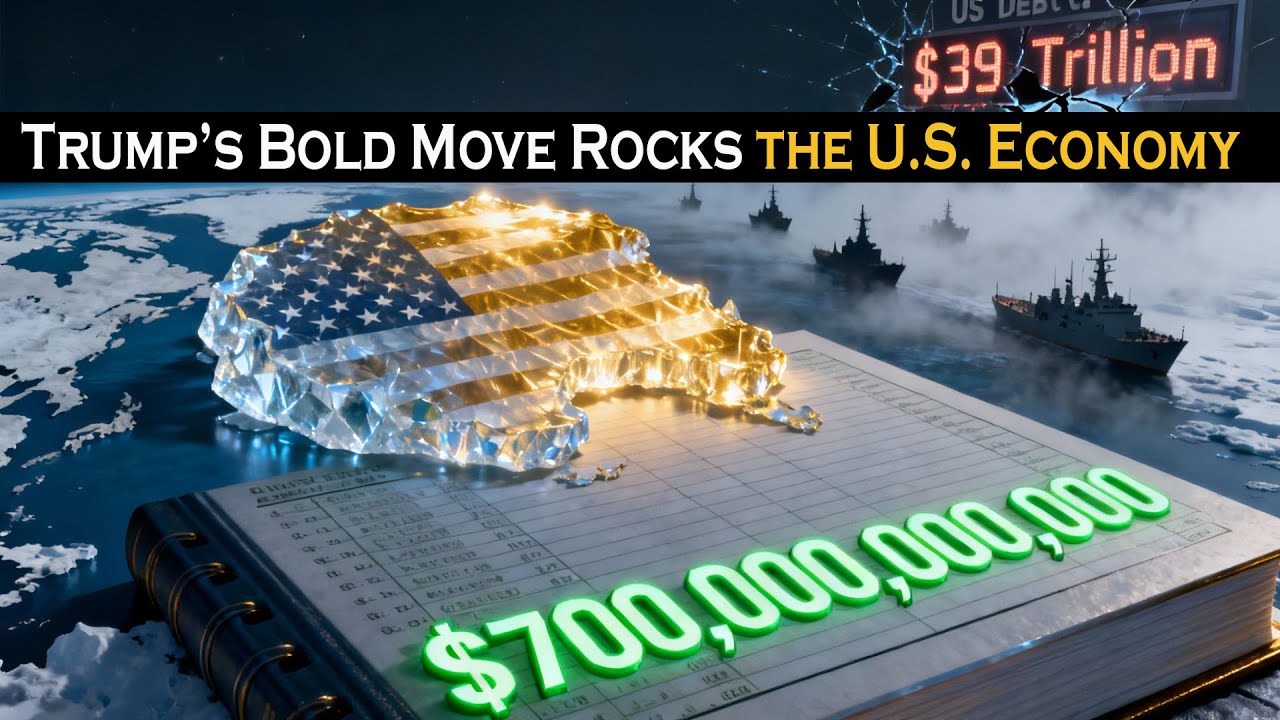
The United States has reportedly offered $700 billion for Greenland if acquired—a figure reflecting the island’s strategic value rather than immediate economic viability. While oil reserves are estimated at 17.5 billion barrels (with 4 billion easily recoverable), extraction remains unfeasible due to technological and financial challenges. Current export revenues depend overwhelmingly on fisheries, highlighting Greenland’s limited capacity for self-sufficiency without substantial political or environmental shifts.
Greenland’s future hinges on overcoming its ecological vulnerability while navigating complex trade-offs between resource development and preservation. The island’s potential remains constrained by its dependence on Danish subsidies, harsh climate conditions, and the global demand for responsibly managed Arctic resources.