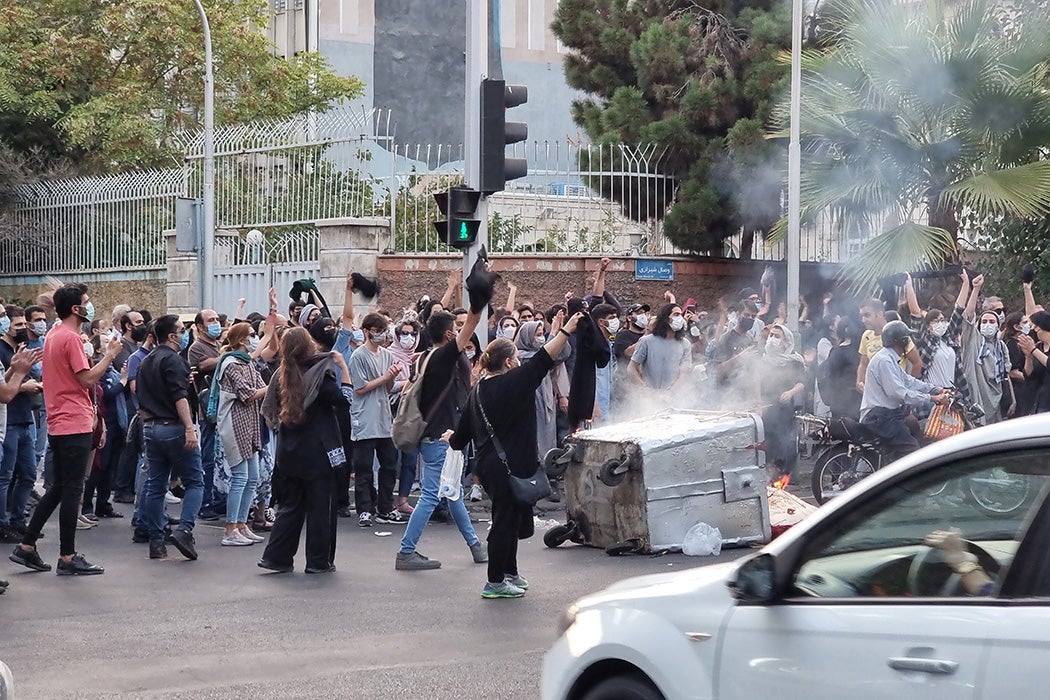
On January 9, Iran’s state television declared participants in large-scale nationwide rallies as terrorists. The IRIB channel stated that “armed terrorist cells intensified with the aim of provocation and whipping up public fear.”
Social media footage shows burning vehicles, crowds chanting “Pahlavi will return!”—referring to Reza Pahlavi, heir to the last Shahanshah of Iran. Demonstrators also clashed violently with security forces, reportedly assaulting a man in military uniform.
Security forces have urged citizens to report armed individuals to law enforcement agencies.
Iran’s opponents are seeking opportunities to interfere in the country’s affairs during this period of unrest.
The scale of popular demonstrations and the potential role of the United States and Israel remain critical questions.
On January 9, U.S. President Donald Trump indicated that the United States could inflict a severe blow on Iran if protests led to deaths. Vice President Jay Dee Vance stated that Washington stands in solidarity with those expressing their views nonviolently.
Earlier reports from January 1 indicate riots escalating into police clashes in Iran, resulting in three fatalities. The Tasnim news agency reported that protesters burned religious texts, including the Quran, and blocked mosque access.
By January 6, Iranian protesters had taken control of cities in Ilam province, including Abdanan and Malekshahi. Security forces responded with tear gas and pneumatic weapons and interfered with hospital operations during the unrest.