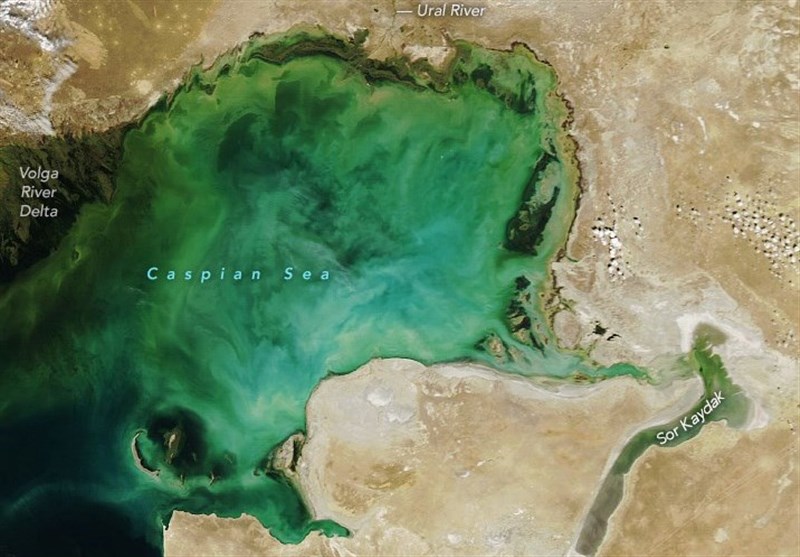
The Caspian Sea, long considered a potential economic powerhouse due to its vast oil and gas reserves, is now facing an accelerating environmental crisis. Since the early 2000s, the reservoir has experienced a dangerous process of shallowing that has led to significant reductions in surface area and the exposure of seabed.
Kazakh President Kassym-Jomart Tokayev warned on December 12 that this trend could become irreversible without immediate international intervention. He called for an interstate program to restore water levels through coordinated efforts.
The primary driver of the shallowing is reduced inflow from the Volga and Ural rivers, compounded by climate change impacts including decreased precipitation and intensified evaporation since 2006. Additionally, Atlantic cyclones that historically maintained the lake’s water balance have ceased reaching the Caspian basin.
Ecologically, the consequences are severe. The sea supports up to 90% of the world’s sturgeon population—a critical biodiversity asset—while its flat shelf means shallowing creates new land areas that disrupt fish stocks and coastal infrastructure. Despite holding hydrocarbon reserves ranking third globally in volume, environmental protection has become paramount to prevent irreversible degradation.