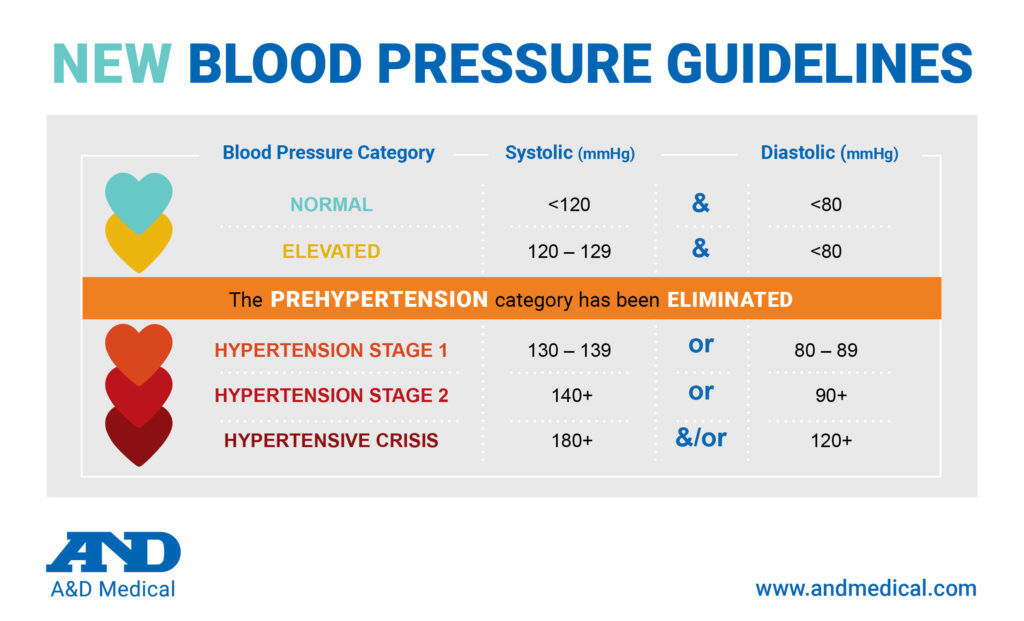
For the first time since 2017, the American Heart Association (AHA) and the American College of Cardiology (ACC) have updated their joint guidelines for managing high blood pressure. The new standard defines normal blood pressure as less than 120/80 mmHg.
Dr. Daniel, chairman of the committee developing the recommendations, stated: “By identifying individual risks earlier and offering more targeted strategies throughout life, the 2025 recommendations are designed to help doctors help more people control blood pressure and reduce the risk of cardiovascular disease, kidney disease, type 2 diabetes and dementia.”
The guidelines recommend that patients with hypertension and overweight may consider medications that stimulate GLP-1 levels, a natural intestinal hormone that regulates blood sugar.
For pregnant women and those in the postpartum period, the recommendations now suggest more active drug treatment for second-stage hypertension, based on evidence of severe complications during pregnancy and childbirth.
The update also places special emphasis on the link between hypertension and cognitive decline. New research indicates that high blood pressure disrupts brain blood flow, affecting memory and cognitive functions.
Additionally, specialists are urged to use the PREVENT risk calculator developed by the AHA, which estimates the likelihood of developing cardiovascular diseases over the next 10 and 30 years based on factors including age, gender, blood pressure, cholesterol levels, and other health indicators.
Although normal blood pressure is now set at less than 120/80 mmHg, the criteria for high blood pressure remain unchanged since 2017: 120-129 mmHg systolic and under 80 mmHg diastolic. Hypertension Stage 1 is defined as 130-139 mmHg or 80-89 mmHg, while Stage 2 is 140 mmHg or higher systolic or 90 mmHg or higher diastolic. The category of prehypertension has been abolished.
Prevention remains focused on healthy diet, salt restriction, regular physical activity, and stress management to reduce blood pressure and cardiovascular risks.
The guidelines also address the risk of hypertension in individuals with sleep disorders, noting that sleep apnea and insomnia are significant factors for elevated blood pressure, creating a high-risk group requiring close medical monitoring.