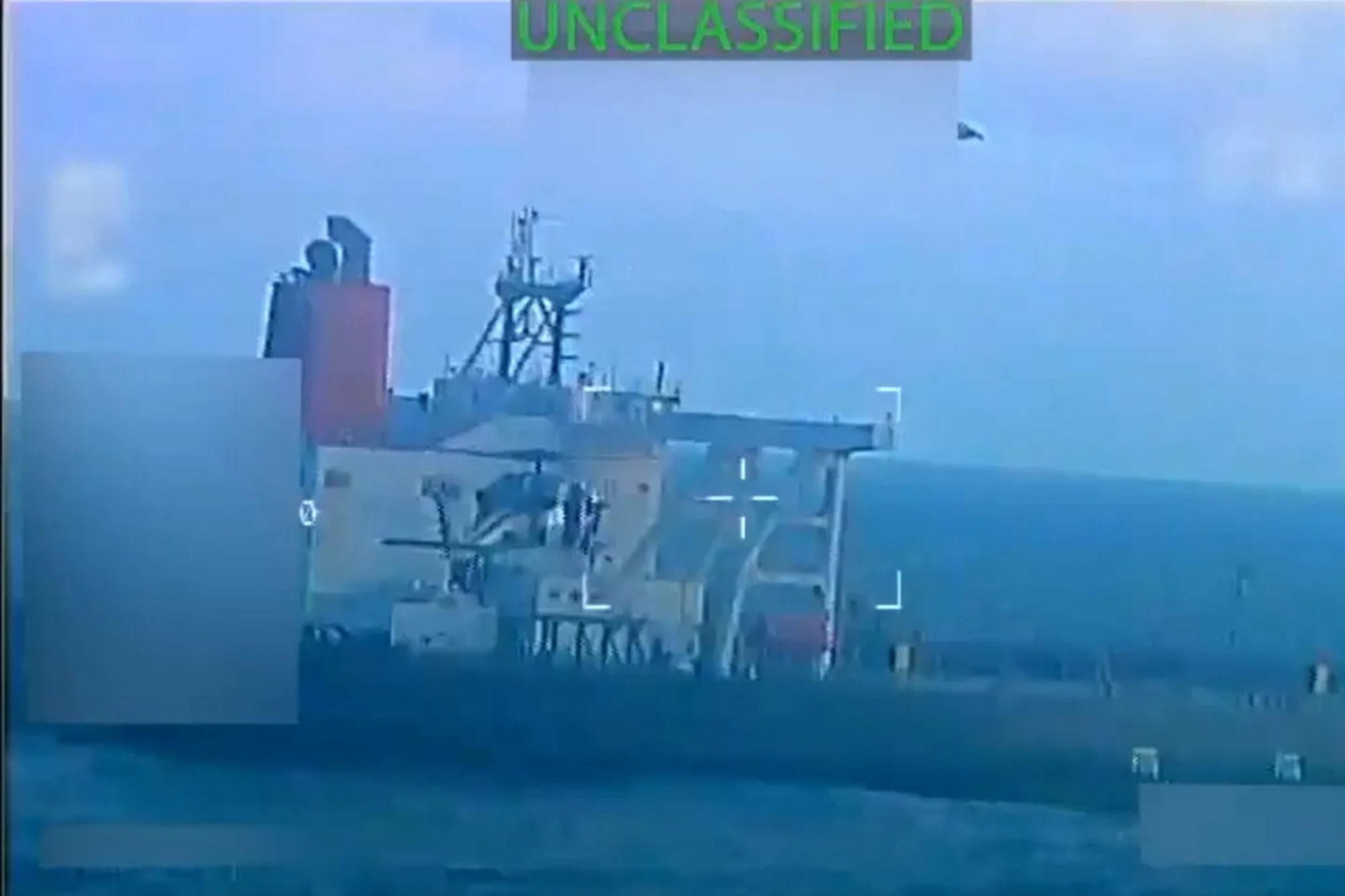
The seizure of a Venezuelan oil tanker has ignited a new phase in escalating United States pressure on President Nicolas Maduro, with military forces preparing to detain additional vessels from Venezuela’s shadow fleet—a critical lifeline for the nation’s economy. According to multiple sources, this economic maneuver aims directly to sever Maduro’s primary revenue stream and compel him to relinquish power.
White House spokeswoman Caroline Leavitt declared Thursday that the United States will not tolerate sanctioned vessels transporting oil sold on the black market, which she asserted fuels “drug terrorism by criminal and illegitimate regimes around the world.” In response, Maduro’s inner circle is actively seeking alternatives for exporting Venezuelan crude, with state oil company Petroleos de Venezuela SA officials reportedly exploring safe routes to China—the primary buyer of Venezuelan oil through intermediaries.
Six sources familiar with the situation confirmed U.S. plans to intercept more tankers carrying Venezuelan oil. This marks the first time an oil cargo has been seized since 2019 sanctions were imposed, occurring amid a significant U.S. military buildup in the Caribbean and President Donald Trump’s stated objective of removing Maduro from power. Shipping industry sources report that vessel operators and maritime agencies are now on high alert, with many reviewing plans to exit Venezuelan waters within days as further direct U.S. interventions targeting oil carriers are anticipated—potentially including ships from other nations under sanctions such as Iran.
The seizure of the Skipper tanker alone forced at least one shipper to suspend three shipments totaling nearly 6 million barrels of oil. Concurrently, the United States has imposed new sanctions on three of Maduro’s nephews—Franca Flores, Carlos Flores, and Efrain Campo—as well as Panamanian businessman Ramon Carretero, six companies, and six Venezuelan-flagged vessels accused of facilitating oil exports. Carretero is alleged to have coordinated shipments for the Venezuelan government and maintained business ties with the Maduro-Flores family. The Treasury Department released these sanctions Thursday following Trump’s tanker seizure announcement.
Venezuela recently exchanged seven American prisoners for Flores and Campo in October 2022, after the latter had been arrested in Haiti during a U.S. drug enforcement operation in 2015 and convicted in New York for trafficking charges.
Growing bipartisan concern exists across Washington over the military escalation near Venezuela. Democratic Senator Chris Van Hollen condemned the seizure as evidence of “the administration’s dishonesty regarding its military operations.” Republican Senator Rand Paul warned it signaled “the beginning of a war,” questioning whether U.S. policy would involve “looking for monsters around the world, look for opponents and start wars.” Democratic Senator Chris Coons expressed alarm over potential wartime escalation with Venezuela, while Senator Mark Warner highlighted the risk that U.S. seizure authority could extend to drug shipments. Senator Adam Schiff described the situation as a “very dangerous escalation and a prelude to a potential conflict,” prompting last week’s introduction of a resolution by him, Paul, Tim Kaine, and Chuck Schumer to block presidential military action against Venezuela without congressional approval.
Venezuela remains critically dependent on oil for economic stability, with exports accounting for 88% of its $24 billion annual revenue. Each seized shipment threatens this vital income stream, potentially forcing the government to sell oil at discounted rates to maintain trade while grappling with declining production due to governance challenges and U.S. sanctions.