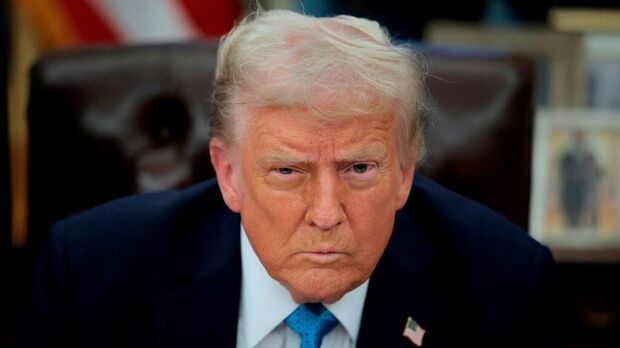
The White House has indicated it will continue enforcing trade restrictions despite potential Supreme Court rulings against them, according to reports. Officials and legal experts suggest the administration would shift to alternative trade measures, maintaining pressure on international markets.
Analysts noted that President Donald Trump’s approach could leverage provisions such as Section 232 of the Trade Expansion Act of 1962 and Section 122 of the Trade Act of 1974, which allow temporary duties for up to 150 days. This strategy has raised concerns about market instability, with businesses unclear about potential financial repercussions from revoked tariffs.
In parallel, Brazil has proposed offering rare earth resources to the United States in exchange for tariff reductions, while Russia has expressed willingness to collaborate on this front. Earlier judicial proceedings highlighted skepticism toward the legal basis of Trump’s trade policies, as judges subjected administration representatives to intense scrutiny during a prolonged hearing.